Understanding the Benefits of 48 V 160 Amp Lifepo4 Lithium Batteries for Renewable Energy Solutions
In recent years, the demand for renewable energy solutions has surged, driven by an increasing focus on sustainability and energy efficiency. The integration of high-capacity energy storage systems has become essential for optimizing the use of renewable resources. Among the various battery technologies available, the "48 V 160 Amp Battery Lifepo4 Lithium" stands out due to its excellent performance characteristics and longevity. According to a report by MarketsandMarkets, the global lithium-ion battery market is projected to reach $129.3 billion by 2027, with lithium iron phosphate (LFP) batteries gaining traction for their safety and thermal stability.
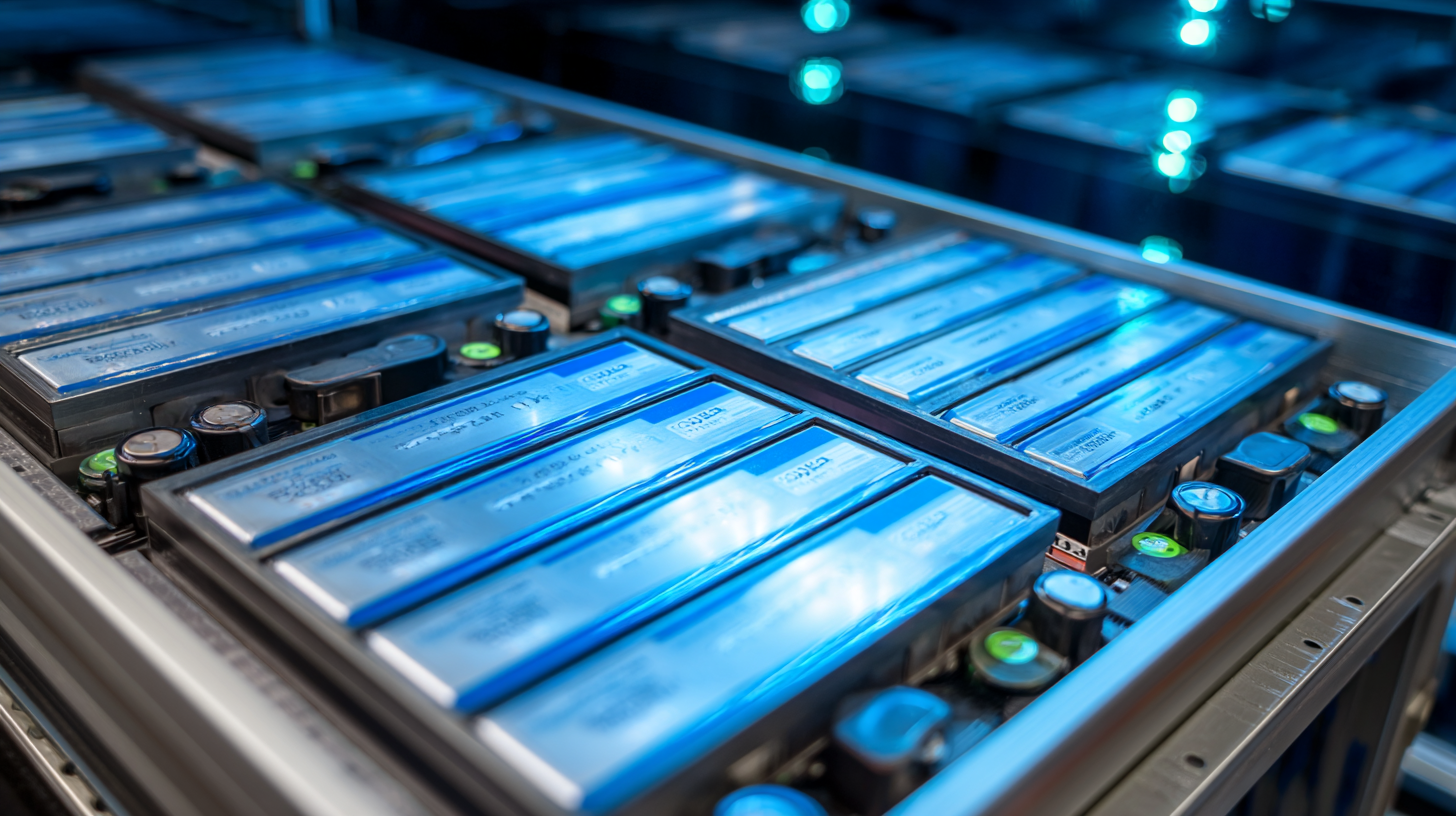
Their capability to deliver consistent power output, combined with a cycle life that can exceed 5,000 cycles, makes them particularly advantageous for solar and wind energy applications. As renewable energy systems increasingly rely on efficient storage solutions, understanding the benefits of Lifepo4 lithium batteries will be pivotal for both residential and commercial energy setups.
Advantages of 48 V 160 Amp Lifepo4 Batteries in Renewable Energy Systems
The 48 V 160 Amp Lifepo4 lithium batteries are gaining recognition for their numerous advantages in renewable energy systems. One of the primary benefits is their exceptional energy density, which allows for a compact design while providing substantial power output. This makes them ideal for applications where space is limited, such as residential solar systems, without compromising performance. Furthermore, these batteries have a longer lifespan compared to traditional lead-acid batteries, often supporting thousands of charge and discharge cycles. This longevity reduces the frequency and cost of replacements, making them a cost-effective solution over time.
Another significant advantage of Lifepo4 batteries is their enhanced safety features. Unlike other lithium-ion technologies, Lifepo4 chemistry is more stable, significantly decreasing the risk of thermal runaway incidents. This attribute is particularly important in renewable energy applications that often involve fluctuating power inputs and outputs. Additionally, their ability to operate efficiently across a wide temperature range further enhances their reliability. As the demand for sustainable energy solutions continues to grow, investing in 48 V 160 Amp Lifepo4 batteries represents a forward-thinking choice for both residential and commercial energy systems.
Benefits of 48 V 160 Amp Lifepo4 Lithium Batteries in Renewable Energy Systems
Key Features of Lifepo4 Technology for Enhanced Energy Storage
The key features of LiFePO4 technology play a pivotal role in enhancing energy storage solutions, especially within the renewable energy sector. LiFePO4 (lithium iron phosphate) batteries are known for their superior safety, long cycle life, and thermal stability. These characteristics make them particularly suitable for demanding applications such as residential solar energy systems. Recent advancements have demonstrated that LiFePO4 batteries can achieve over 5,000 charge cycles, significantly outpacing traditional lead-acid batteries, which typically offer only 300-500 cycles. This longevity not only reduces replacement costs but also contributes to the sustainability goals of homeowners looking for efficient energy solutions.
The growing market for these batteries is also driven by innovative products being introduced across the industry. For instance, the recent launch of smart LiFePO4 batteries indicates a trend toward integrating intelligence into energy storage, providing users with real-time data on battery performance and energy consumption. Furthermore, with the decreasing prices of raw materials used in battery production, experts predict that the costs associated with energy storage solutions will continue to drop, making renewable energy more accessible. As energy storage becomes more affordable and efficient, LiFePO4 technology stands at the forefront, providing solutions that align with global sustainability initiatives.
Understanding the Benefits of 48 V 160 Amp Lifepo4 Lithium Batteries for Renewable Energy Solutions - Key Features of Lifepo4 Technology for Enhanced Energy Storage
| Feature |
Description |
Benefits |
| High Energy Density |
Offers greater capacity in a smaller footprint compared to traditional batteries. |
Maximizes available space and reduces weight in renewable energy systems. |
| Long Cycle Life |
Supports thousands of charge/discharge cycles with minimal capacity degradation. |
Reduces replacement costs over time and enhances return on investment. |
| Fast Charging |
Can be charged more quickly than lead-acid batteries. |
Improves system availability and reduces downtime. |
| Thermal Stability |
Less prone to overheating and thermal runaway. |
Enhances safety in energy storage applications. |
| Eco-Friendly |
Composed of non-toxic materials and is recyclable. |
Supports sustainable energy solutions and minimizes environmental impact. |
Comparative Analysis: Lifepo4 Batteries vs. Traditional Energy Storage Solutions
The advent of LiFePO4 (Lithium Iron Phosphate) batteries has significantly changed the landscape of energy storage solutions, especially in the realm of renewable energy. When compared to traditional energy storage systems, such as lead-acid batteries, LiFePO4 batteries stand out due to their higher energy density and longer lifespan. For instance, while lead-acid batteries typically last around 3-5 years, LiFePO4 batteries can provide reliable performance for over a decade, making them a more economical choice in the long run.
In addition to longevity, LiFePO4 batteries are safer and more efficient. Their thermal stability reduces the risk of overheating and potential hazards associated with traditional batteries. Moreover, they can be discharged more deeply without significant degradation, allowing for better management of energy demands in renewable systems. With the growing emphasis on sustainability and reducing carbon footprints, the comparative advantages of LiFePO4 batteries position them as a superior choice for modern energy storage, paving the way for a greener and more resilient energy future.
Applications of 48 V 160 Amp Lifepo4 Batteries in Solar and Wind Energy
The applications of 48 V 160 Amp LiFePO4 batteries in renewable energy solutions, particularly in solar and wind energy systems, are gaining increasing importance. These batteries are well-suited for solar energy systems due to their ability to provide stable and reliable energy storage. With a capacity of 160 Amp hours, they can efficiently store excess energy generated during peak sunlight hours and release it when sunlight is insufficient. This ensures that households and businesses have access to a continuous power supply, making solar energy a viable alternative.
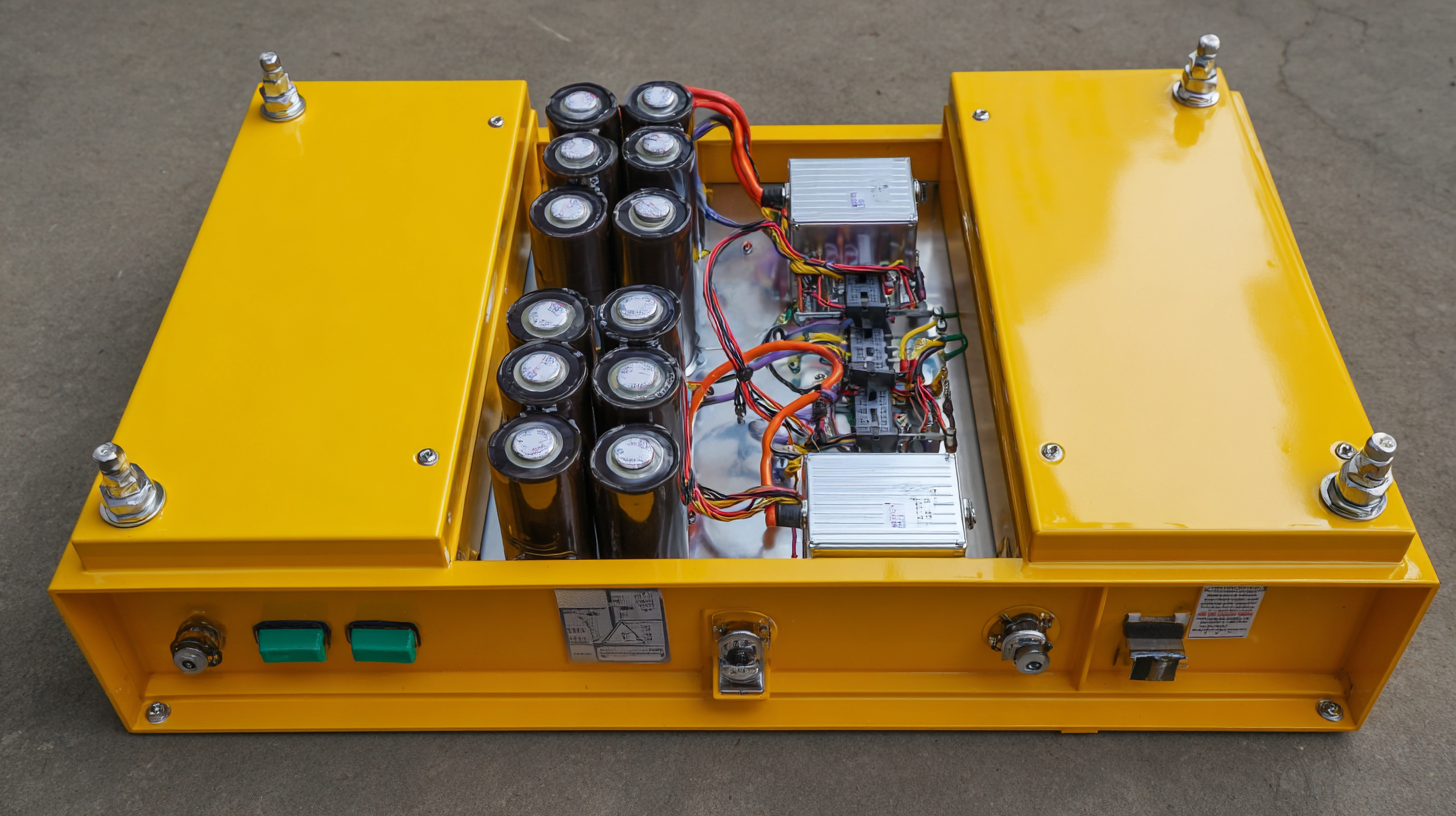 In wind energy applications, 48 V LiFePO4 batteries offer similar advantages. They can store energy generated by wind turbines, which often produce variable output depending on wind conditions. By integrating these batteries into wind energy systems, energy can be captured and stored during high-wind periods for use during calm periods. This capability enhances the overall efficiency of wind energy solutions, enabling more consistent energy production. Additionally, the long cycle life and thermal stability of LiFePO4 batteries reduce maintenance needs and improve safety, making them a perfect fit for both solar and wind applications in the pursuit of sustainable energy.
Cost-Efficiency and Longevity of Lifepo4 Batteries in Renewable Energy Projects
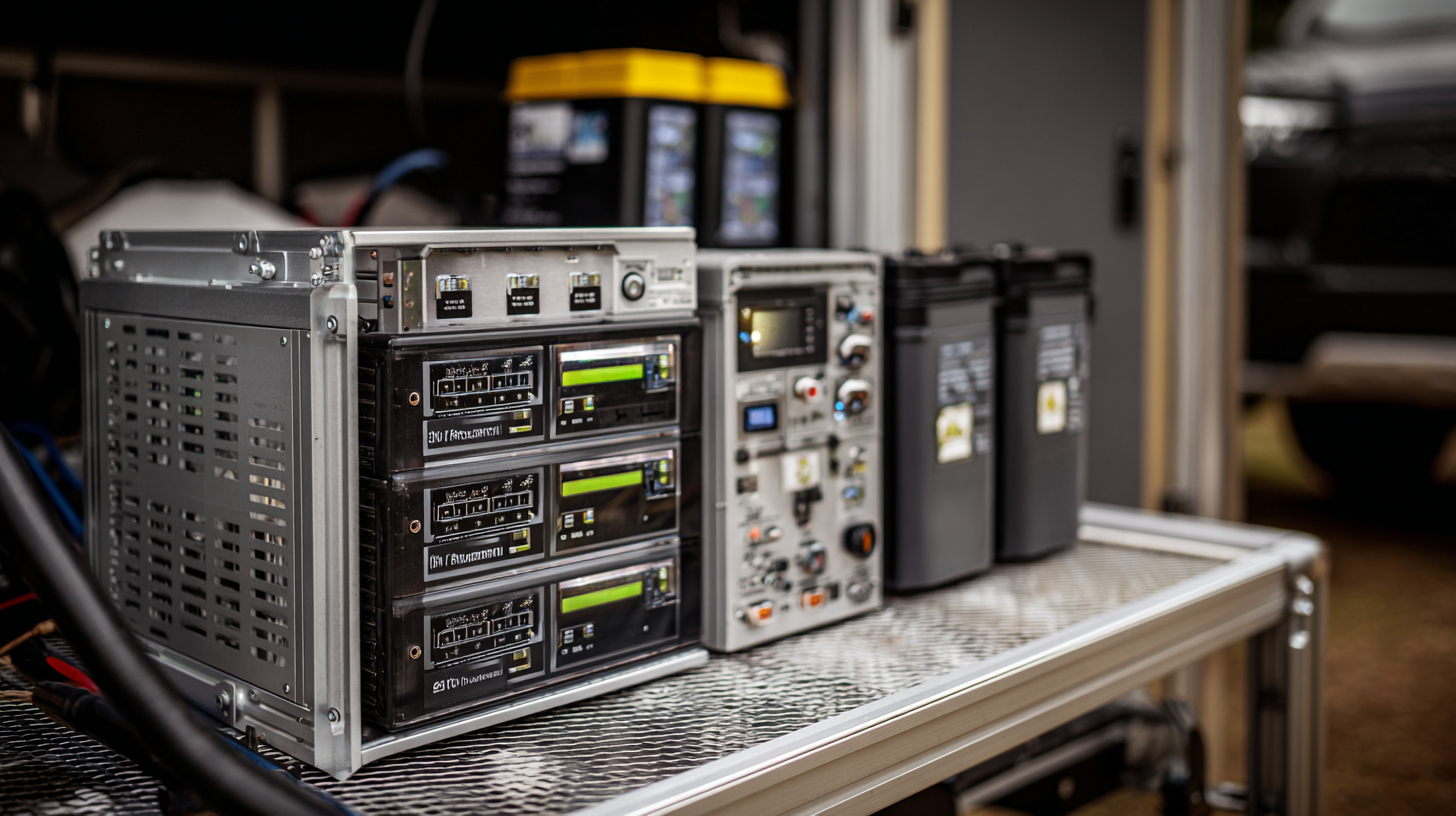 LiFePO4 lithium batteries have gained significant traction in renewable energy projects due to their remarkable cost-efficiency and longevity. With a nominal voltage of 48 V and a current rating of 160 Amps, these batteries deliver exceptional performance, making them ideal for storing energy from solar, wind, and other renewable sources. Their higher energy density translates to longer operational periods, reducing the frequency of replacements and associated costs, thus enhancing the overall economic viability of renewable installations.
Moreover, the longevity of LiFePO4 batteries is a crucial advantage in sustainability-focused projects. Unlike traditional lead-acid batteries, which often require replacement every few years, LiFePO4 batteries can last up to 10 years or more with proper maintenance. This extended lifespan not only minimizes waste but also ensures that the initial investment yields substantial returns over time. By leveraging the benefits of these advanced lithium batteries, renewable energy projects can achieve a more sustainable approach while maximizing financial savings, ultimately contributing to a greener future.