Maximizing Energy Efficiency with Telecom Tower Battery Solutions for Sustainable Connectivity
As the demand for uninterrupted connectivity grows, telecom companies are increasingly focused on maximizing energy efficiency, particularly through the deployment of advanced Telecom Tower Battery solutions. According to a recent report by the International Energy Agency (IEA), the telecommunications sector accounts for approximately 2-3% of global electricity consumption, with telecom towers being significant contributors. With the shift towards renewable energy and the increasing frequency of extreme weather events, making these towers more energy-efficient has never been more critical. Innovative battery technologies not only enhance operational resilience but also support a transition to greener energy alternatives. The Global Telecom Tower Battery Market is projected to grow at a CAGR of 12% from 2021 to 2026, reflecting the industry's commitment to sustainable practices. By integrating high-performance battery systems, telecom operators can reduce their carbon footprint while ensuring reliable service continuity in a rapidly evolving digital landscape.
Understanding the Importance of Energy Efficiency in Telecom Towers
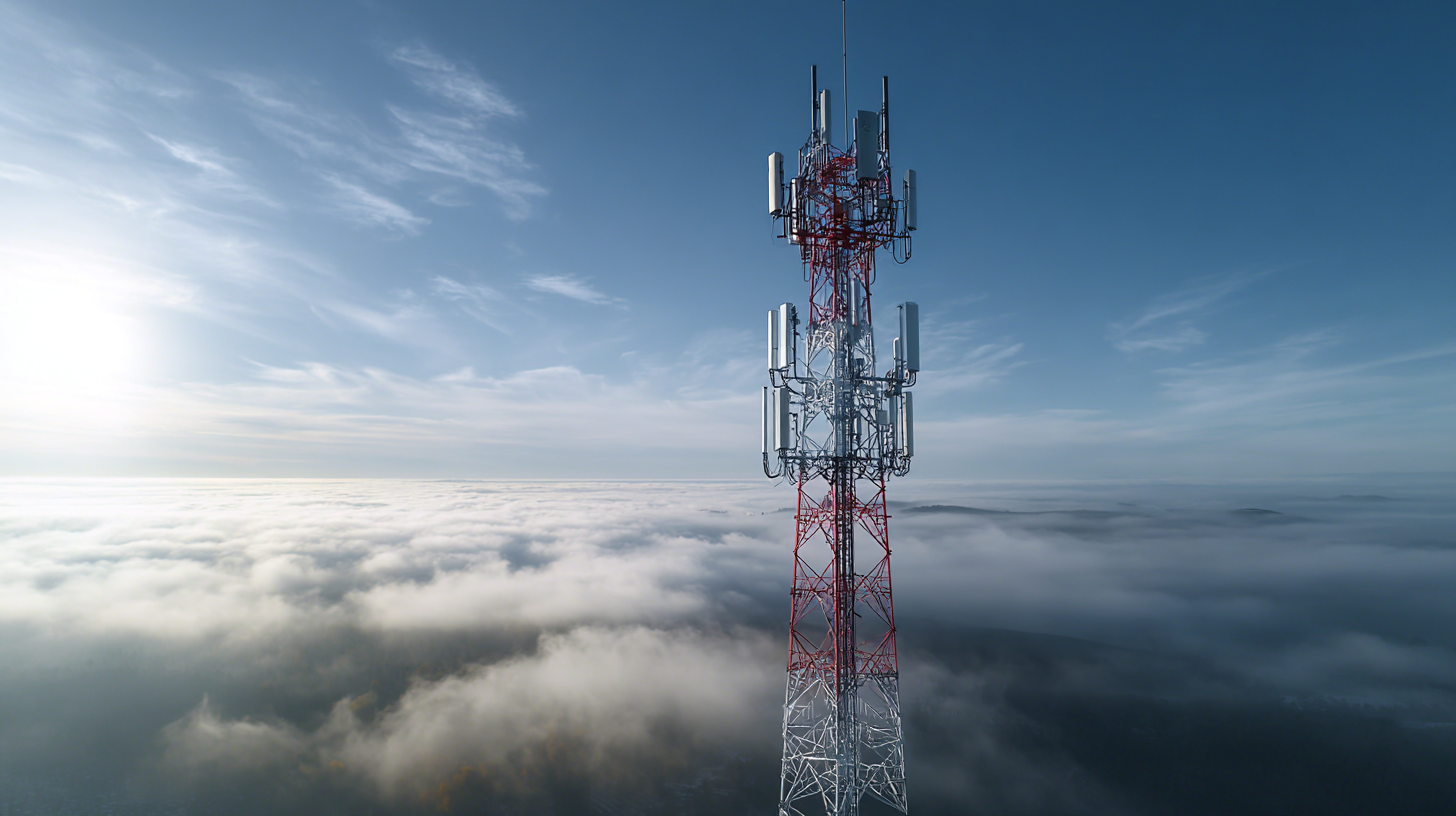
Telecom towers are the backbone of communication infrastructure, yet they are often significant consumers of energy. Understanding the importance of energy efficiency in telecom towers is critical not only for reducing operational costs but also for addressing environmental concerns. According to a report by the International Telecommunication Union, telecom sectors contribute to about 2-3% of global carbon emissions. As the demand for connectivity continues to soar, optimizing energy consumption in telecom towers becomes imperative.
Adopting advanced battery solutions is one of the key strategies for enhancing energy efficiency. Research indicates that integrating renewable energy sources, such as solar and wind, with modern energy storage systems can reduce reliance on conventional power, resulting in an estimated saving of 25-40% in energy costs. Furthermore, a study by the Global Telecommunications Industry Association highlights that energy-efficient telecom towers can not only operate sustainably but also improve service reliability, which is crucial in today’s fast-paced digital environment. By prioritizing energy efficiency, the telecom industry can achieve a dual benefit: sustaining growth while minimizing its environmental footprint.
Evaluating Different Battery Solutions for Enhanced Power Management
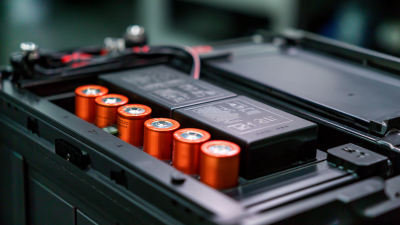
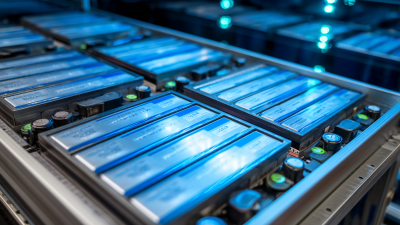
As the demand for sustainable connectivity grows, telecom towers are increasingly reliant on advanced battery solutions to optimize energy efficiency. Evaluating different battery technologies reveals a spectrum of options, each with distinct benefits. Lithium-ion batteries, for instance, are widely recognized for their high energy density and longer lifespan, making them suitable for remote locations where reliability is crucial. However, their environmental impact and recycling challenges necessitate consideration of alternative solutions.
Lead-acid batteries, despite being an older technology, offer cost benefits and a well-established recycling infrastructure. Their robustness makes them a viable choice for regions facing extreme weather conditions. Emerging technologies, such as flow batteries and solid-state batteries, promise enhanced performance and sustainability but require further research and development. By closely examining these various battery solutions, telecom operators can bolster their power management strategies, ensuring uninterrupted service while contributing to a greener future.
Maximizing Energy Efficiency with Telecom Tower Battery Solutions
This chart evaluates the performance of different battery solutions utilized in telecom towers, focusing on their energy efficiency and power management capabilities across various scenarios.
Implementing Renewable Energy Sources to Supplement Battery Systems
The integration of renewable energy sources into telecom tower battery systems is a pivotal step towards enhancing energy efficiency and sustainability in telecommunications. By supplementing traditional battery solutions with solar and wind energy, telecom operators can significantly reduce their reliance on fossil fuels. This transition not only minimizes operational costs but also lowers the carbon footprint associated with powering communication networks.
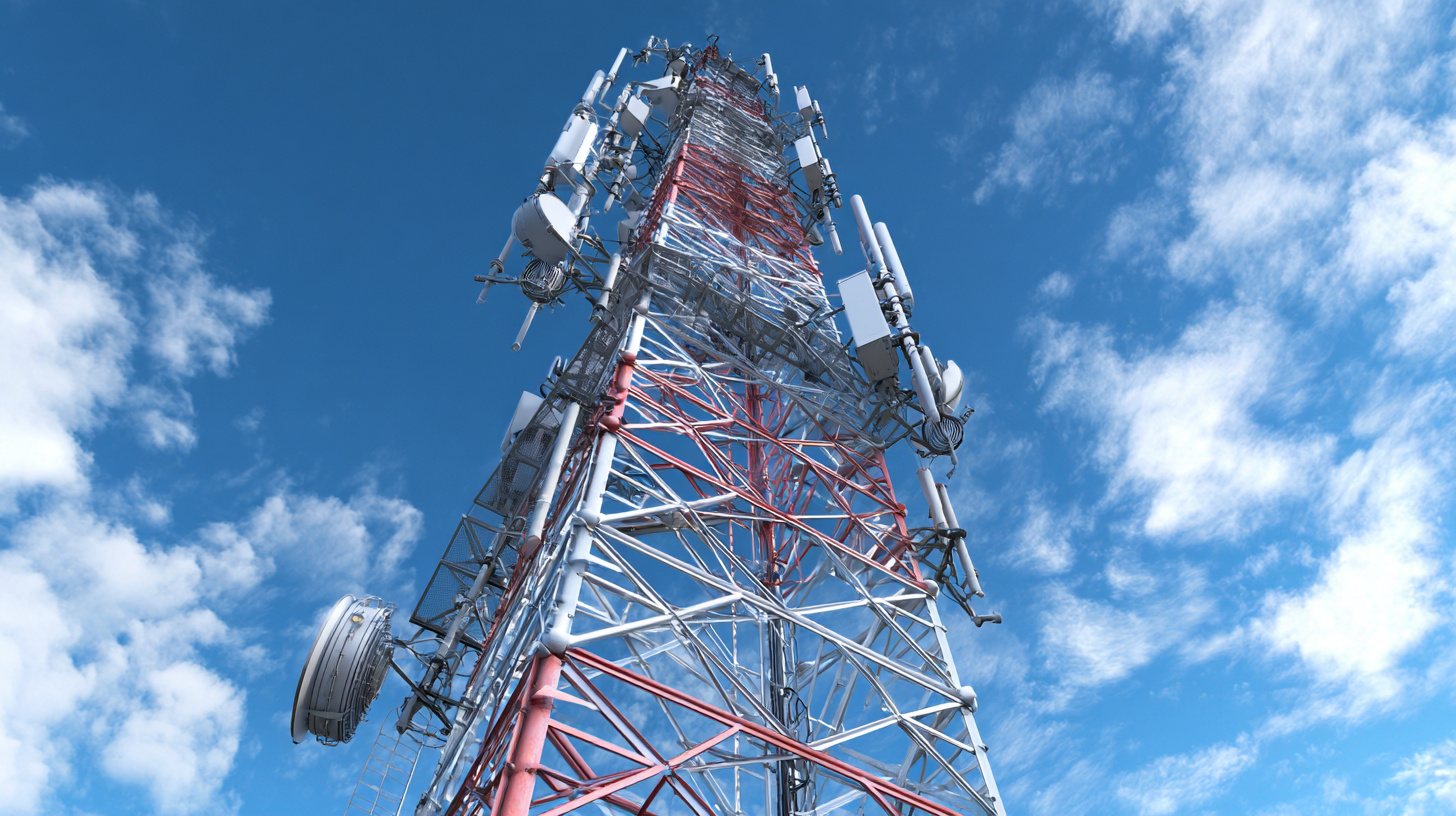 Solar panels installed on tower rooftops or adjacent land can harness sunlight during the day, providing a continuous charge to battery systems and ensuring uninterrupted service in remote areas where grid access is limited.
Moreover, implementing renewable energy sources brings resilience to telecom infrastructures. During power outages or grid failures, the availability of stored energy from solar and wind can keep critical communication services operational. This reliability is essential in emergencies when connectivity is paramount. Additionally, advancements in energy storage technologies, such as lithium-ion batteries and flow batteries, allow for more efficient energy management, enabling telecom providers to store excess renewable energy for use during peak demand times or unfavorable weather conditions. Through these innovative approaches, the telecom sector can achieve a sustainable future while maintaining robust connectivity for all users.
Optimizing Maintenance Strategies for Peak Battery Performance
To achieve peak battery performance in telecom tower operations, optimizing maintenance strategies is paramount. Regular monitoring of battery health is essential to swiftly identify any issues that may impair efficiency. Implementing predictive maintenance techniques, such as analyzing data from battery management systems, allows operators to anticipate failures before they occur, minimizing downtime and reducing repair costs. This proactive approach not only extends the life of the battery but also ensures that connectivity remains uninterrupted.
In addition to predictive maintenance, scheduled servicing plays a critical role in sustaining high battery performance. Routine checks on battery connections, electrolyte levels, and temperature conditions can prevent common issues that lead to inefficient energy use. Moreover, staff training on best practices for battery care further enhances the operational effectiveness of telecom tower systems. By combining advanced monitoring technologies with dedicated maintenance protocols, telecom operators can maximize energy efficiency, reduce operational costs, and ultimately support sustainable connectivity for the communities they serve.
Measuring the Impact of Energy Efficiency on Sustainable Connectivity
In today’s telecommunications landscape, energy efficiency has emerged as a critical factor in enhancing sustainable connectivity. According to a report by the Global Energy Network Institute, telecom operations can account for up to 2% of global energy consumption. By adopting advanced battery solutions, telecom towers can significantly reduce their energy footprint. For instance, the use of lithium-ion batteries not only yields a 30% increase in energy storage efficiency but also prolongs the lifespan of these systems, aligning perfectly with sustainability goals.
Tips: Implementing smart energy management systems can help monitor real-time energy consumption, allowing operators to identify optimization opportunities and react promptly. Additionally, investing in renewable energy sources, such as solar panels integrated with battery systems, can further diminish reliance on traditional energy grids, ultimately leading to a lower carbon footprint.
Moreover, energy-efficient designs extend beyond batteries to encompass overall infrastructure. The International Telecommunication Union estimates that if telecom operators enhance energy efficiency by just
10%, they could collectively save
$6 billion annually in energy costs. Therefore, integrating innovative battery solutions and monitoring systems not only supports cost savings but also fosters an eco-friendly approach to connectivity.