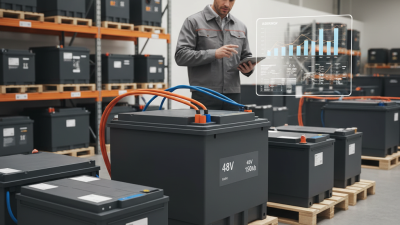
What is 51.2 V 160ah Lithium Battery and Its Advantages?
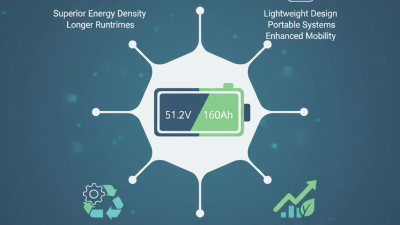
The 51.2 V 160ah Lithium battery has garnered attention for its superior performance in various applications. This advanced battery technology provides reliable power storage solutions. With a capacity of 160ah, it can support high-demand devices for extended periods.
Users appreciate the lightweight design and longer lifespan compared to traditional batteries. This lithium battery reduces maintenance costs and improves efficiency. Nevertheless, the upfront cost may be a concern for some buyers. It raises questions about long-term savings versus initial investment.
Manufacturers are continuously improving these batteries. As technology evolves, quality and efficiency are expected to increase even further. Understanding these benefits helps users make informed choices. The 51.2 V 160ah Lithium battery represents a shift towards energy solutions that are both effective and sustainable.
What is a 51.2 V 160 Ah Lithium Battery?
A 51.2 V 160 Ah lithium battery is a high-capacity energy storage solution commonly used in renewable energy systems. Its voltage and capacity make it ideal for applications requiring substantial power over extended periods. This type of battery can deliver significant energy, making it suitable for solar and wind energy systems.
Lithium batteries such as this one offer several advantages. They have a longer lifespan compared to traditional lead-acid batteries, often exceeding 5,000 charge cycles. According to industry reports, lithium-ion technology also provides better efficiency, with charge and discharge rates reaching up to 95%. This means more energy conversion and less waste. However, users should consider the initial investment, which can be higher than conventional options.
While the benefits are clear, there are challenges to address. Temperature sensitivity can affect performance, particularly in extreme conditions. Furthermore, the recycling process for lithium batteries is complex and still developing. Users must be aware of these issues when selecting energy storage systems. Overall, a 51.2 V 160 Ah lithium battery presents powerful advantages alongside areas that need careful consideration.
Key Specifications and Features of the 51.2 V 160 Ah Battery
The 51.2 V 160 Ah lithium battery is a popular choice among energy storage solutions. Its key specifications highlight its robust design and versatility. With a nominal voltage of 51.2 V, this battery offers significant power capacity. The 160 Ah rating means it can deliver a higher energy output, making it suitable for various applications.
One of the standout features is its longevity. Lithium batteries are known for their cycle life, often exceeding 2000 cycles. This longevity reduces the need for frequent replacements, which can be an advantage for long-term projects. The battery also offers fast charging capabilities. Users can recharge it swiftly, saving valuable time.
Another critical aspect is weight efficiency. This combination of high energy density and relatively low weight makes installation easier. However, some may find the upfront costs higher than traditional batteries. This investment can deter potential buyers, necessitating careful consideration. Overall, the 51.2 V 160 Ah battery represents a solid option for energy needs, balancing performance with potential challenges.
What is 51.2 V 160ah Lithium Battery and Its Advantages? - Key Specifications and Features
| Specification |
Details |
| Voltage |
51.2 Volts |
| Capacity |
160 Ah |
| Chemistry Type |
Lithium Iron Phosphate (LiFePO4) |
| Weight |
Approx. 45 kg |
| Cycle Life |
Over 2000 cycles |
| Operating Temperature Range |
-20°C to 60°C |
| Charge Time |
5 to 10 hours |
| Safety Features |
Overcharge, Over-discharge, and Short Circuit Protection |
| Warranty |
5 years |
| Applications |
Solar Energy Storage, Electric Vehicles, UPS Systems |
Comparative Advantages of Lithium Batteries over Lead-Acid Batteries
Lithium batteries, specifically the 51.2 V 160 Ah variant, offer numerous advantages over traditional lead-acid batteries. One key benefit is their longer lifespan. Lithium batteries can last up to ten years or more. In contrast, lead-acid models typically fail after three to five years. This longevity reduces replacement frequency and overall costs.
Another notable advantage is weight. Lithium batteries are significantly lighter, which is crucial for applications like electric vehicles. A lighter battery enhances efficiency and performance. Additionally, lithium batteries have a higher energy density. They store more energy in a smaller footprint. This feature is particularly beneficial in space-constrained environments.
Moreover, lithium batteries maintain higher efficiency levels. They can operate effectively under various conditions. Lead-acid batteries, on the other hand, lose performance as they discharge. This limitation can be problematic for users relying on consistent power. Lastly, lithium technology allows for faster charging. This feature means less downtime, enabling quicker access to energy when it’s needed most. The advancements in lithium technology are indeed significant and worth considering.
Applications and Use Cases for 51.2 V 160 Ah Lithium Battery
The 51.2 V 160 Ah lithium battery stands out for its versatility in various applications. This battery is often used in renewable energy systems, particularly solar energy storage. In reports, over 60% of homeowners using solar power have benefited from efficient energy storage solutions like this. The ability to store significant energy allows for greater self-consumption during non-sunny hours.
Another common application is in electric vehicles (EVs). Industry data shows that lithium batteries contribute to around 60% of the EV market, due to their light weight and high energy density. The 51.2 V 160 Ah model can effectively power mid-sized electric cars, providing a range of around 200 kilometers on a single charge.
However, challenges exist. The initial cost of lithium batteries can be high. Many users question the durability over time. Regular maintenance is essential to ensure optimal performance. Some studies suggest that lifecycle management is critical to maximizing efficiency and longevity. These insights are vital, particularly when evaluating investment in battery technology.
Safety Considerations and Maintenance for Lithium Battery Systems
When dealing with lithium battery systems, safety considerations are crucial. These energy sources can store significant amounts of power, making them potent yet demanding. Overcharging can lead to overheating, while physical damage may risk short circuits. Proper housing and monitoring can mitigate these dangers. Use appropriate enclosures to protect against impacts. Ventilation is important to avoid heat buildup.
Regular maintenance of lithium batteries ensures effective performance and longevity. Inspect battery terminals for corrosion or loose connections. Regularly check the state of charge and overall health. Software tools can help monitor usage patterns. If you notice irregular behaviors, such as swelling or excessive heat, immediate action is necessary. This may include contacting a professional or replacing the battery.
Education around lithium batteries is key for safety. Training users or operators helps build awareness. They must understand the risks and know basic safety protocols. Even small lapses in safety can result in significant issues. Balancing performance with consciousness of risks is essential in maintaining lithium battery systems effectively.