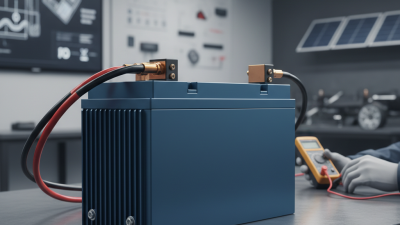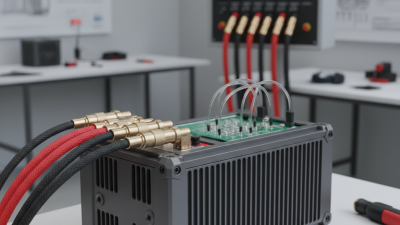
In the energy storage market, lithium batteries are gaining substantial attention. The 51.2 V 160ah Lithium battery stands out due to its high efficiency and longevity. According to a report by the International Energy Agency, adoption of lithium-ion technology can enhance energy management by a notable margin.
These batteries offer significant advantages in performance and sustainability. With a cycle life exceeding 6,000 charges, their durability makes them an excellent investment for both residential and industrial applications. Additionally, they maintain stable output, ensuring reliability during critical power needs. However, it’s crucial to consider potential limitations. Applications requiring quick charging or extreme temperature tolerance may face challenges.
Lithium technology is evolving, presenting new opportunities for innovation. Industry experts predict a growing trend in battery efficiency improvements. With careful considerations of their use, the 51.2 V 160ah Lithium batteries serve as a cornerstone for modern energy solutions.

Understanding the basics of 51.2 V 160ah lithium batteries is essential for various applications. These batteries offer a reliable energy solution for renewable energy systems and electric vehicles. With a nominal voltage of 51.2 V, they provide consistent power output, ensuring devices operate efficiently.
The capacity of 160ah denotes high energy storage potential. This means longer usage times before recharging is necessary. However, it is important to consider their weight. While these batteries are relatively lighter than lead-acid options, they still require careful handling.
Another aspect to consider is the charging process. Lithium batteries charge faster but require specific management systems to prevent overheating. Proper care is crucial. Users should regularly check battery health and monitor voltage levels. Failing to do so may lead to decreased performance over time. Understanding these dynamics helps maximize the efficiency and lifespan of these batteries.
| Advantage | Description | Benefits |
|---|---|---|
| High Energy Density | Lithium batteries have a higher energy density compared to lead-acid batteries. | Longer runtime for the same weight, making them more efficient for portable applications. |
| Lightweight | Lithium batteries are significantly lighter than traditional battery technologies. | Easier to transport and install, reducing overall project weight. |
| Long Cycle Life | These batteries can endure thousands of charge and discharge cycles. | Lower long-term costs due to reduced need for replacements. |
| Fast Charging | Lithium batteries can be charged much quicker than other batteries. | Increased productivity with minimal downtime during charging. |
| Low Self-Discharge Rate | Lithium batteries retain their charge for longer periods of time. | Maintains power availability for emergency situations. |
| Eco-Friendly | Lithium batteries are less harmful to the environment when disposed of correctly. | Sustainable choice for energy storage in renewable energy systems. |
| No Memory Effect | Lithium batteries do not suffer from memory effect. | Users can charge them at any time without decreasing capacity. |
| Wide Operating Temperature Range | Lithium batteries perform well under various temperature conditions. | Versatile use in different climates and applications. |
| Advanced Battery Management Systems (BMS) | BMS helps improve safety and efficiency. | Increases lifespan and reduces risks of overcharging or overheating. |
| High Discharge Rate | Lithium batteries can deliver high currents efficiently. | Ideal for applications requiring rapid power deliveries, such as electric vehicles. |
Lithium batteries have revolutionized energy storage, and the 51.2 V 160Ah model offers significant benefits. One of the key advantages lies in its higher voltage. A higher voltage allows for increased efficiency. This means that less energy is lost during transfer. Higher efficiency leads to longer-lasting power for devices and systems.
Capacity is equally critical. The 160Ah capacity means more stored energy. This is essential for long-duration applications. Users can run appliances without frequent recharges. With more capacity, you experience fewer interruptions. However, managing this energy is crucial. Overloading can lead to decreased battery lifespan.
Tips: Always check compatibility before installation. Ensure that your devices can handle the higher voltage. Monitor battery performance regularly. This can help identify any issues early. Proper maintenance is key to maximizing lifespan. Even small improvements in management can lead to significant benefits. Stay informed and adapt to the best practices in battery care.
Longevity and cycle life are crucial factors when evaluating 51.2 V 160ah lithium batteries. These batteries typically have a lifespan of up to 10 years, depending on usage. They can endure hundreds of charge and discharge cycles. Many users report that these batteries maintain capacity over time. However, performance varies based on charging habits and environmental factors.
A 51.2 V 160ah battery can reliably deliver energy for various applications, such as solar power systems or off-grid setups. Users often experience stable performance, even after extended use. The ability to retain charge under different conditions is a significant advantage. That said, some may face challenges with temperature sensitivity. High heat can degrade battery life, which warrants careful consideration.
Regular maintenance and correct charging practices can enhance longevity. Users should invest time in understanding optimal settings. Despite their impressive cycle life, not all users maximize their potential. Identifying and addressing common pitfalls can lead to better energy management. Thus, knowledge and proper usage play a vital role in ensuring long-lasting performance.
Lithium batteries, particularly the 51.2 V 160ah model, are gaining traction due to their impressive safety features and performance. One defining characteristic is their thermal stability. According to a report by the International Energy Agency, lithium batteries can operate safely in various temperatures, reducing the risk of thermal runaway. This is crucial for applications in electric vehicles and renewable energy storage, where battery failure can have dire consequences.
Another compelling aspect is the sophisticated Battery Management Systems (BMS) embedded within these units. These systems monitor voltage, current, and temperature, enhancing safety throughout the battery's lifespan. A report from the Battery University suggests that a well-designed BMS can increase battery life by over 30%. Despite advancements, challenges remain; unexpected battery failures still occur. Continuous improvement in BMS technology is essential for addressing these risks effectively.
Moreover, lithium technology offers high energy density, enabling longer operational times compared to traditional lead-acid batteries. However, experts have observed some inconsistencies in performance under extreme conditions, which warrants further research. While the advantages are clear, continuous enhancements in safety protocols are necessary to mitigate existing risks.
51.2 V 160ah lithium batteries have gained popularity across various sectors due to their impressive performance and versatility. These batteries find extensive applications in renewable energy systems, such as solar and wind power. According to a recent report by the International Energy Agency (IEA), the global demand for energy storage systems is expected to grow exponentially, with a projected CAGR of over 20% by 2025. This trend highlights the vital role lithium batteries play in stabilizing energy supply and enhancing efficiency in renewable installations.
The usability of 51.2 V 160ah lithium batteries extends beyond energy systems. They are ideal for electric vehicles (EVs), powering everything from scooters to commercial trucks. Research shows that lithium batteries can reduce overall vehicle weight, thereby increasing efficiency. This transition is essential, as studies indicate that the transportation sector accounts for nearly 25% of global CO2 emissions. For business applications, these batteries can facilitate backup power solutions, providing energy security during outages.
Despite their advantages, the lithium battery sector also faces challenges. Resource availability and environmental impacts of lithium extraction present concerns that need addressing. Moreover, while these batteries boast a long cycle life, improper management can lead to performance degradation. Ensuring sustainable practices in production and disposal is crucial for ongoing reliability and public trust in lithium technologies.