Why Choose a Lithium Battery for Your Golf Cart: Benefits and Tips
In recent years, the adoption of Golf Cart Lithium Batteries has surged, transforming the landscape of golf cart performance and efficiency. According to a report by Research and Markets, the global lithium-ion battery market is projected to reach $129.3 billion by 2027, growing at a CAGR of 20.5%. This trend is driven by the increasing demand for high-performance batteries in various applications, including golf carts, where extended run times and reduced charging times are highly sought after.
Lithium batteries, compared to traditional lead-acid options, offer remarkable advantages that can enhance your golfing experience. They are significantly lighter, which can improve the overall handling of the cart while reducing wear and tear on the components. Additionally, studies have shown that Golf Cart Lithium Batteries can provide up to five times the lifespan of their lead-acid counterparts, making them a more economical choice in the long run.
Furthermore, with advancements in technology, these batteries boast faster charging capabilities—often fully charged in under four hours—allowing golfers to spend more time on the course. The increasing awareness of environmental sustainability also plays a crucial role, as lithium batteries generate less toxic waste and have a lower carbon footprint than traditional batteries. As the push for greener energy solutions continues, choosing a Golf Cart Lithium Battery emerges as a smart investment for both performance and ecological responsibility.
Benefits of Lithium Batteries for Golf Carts
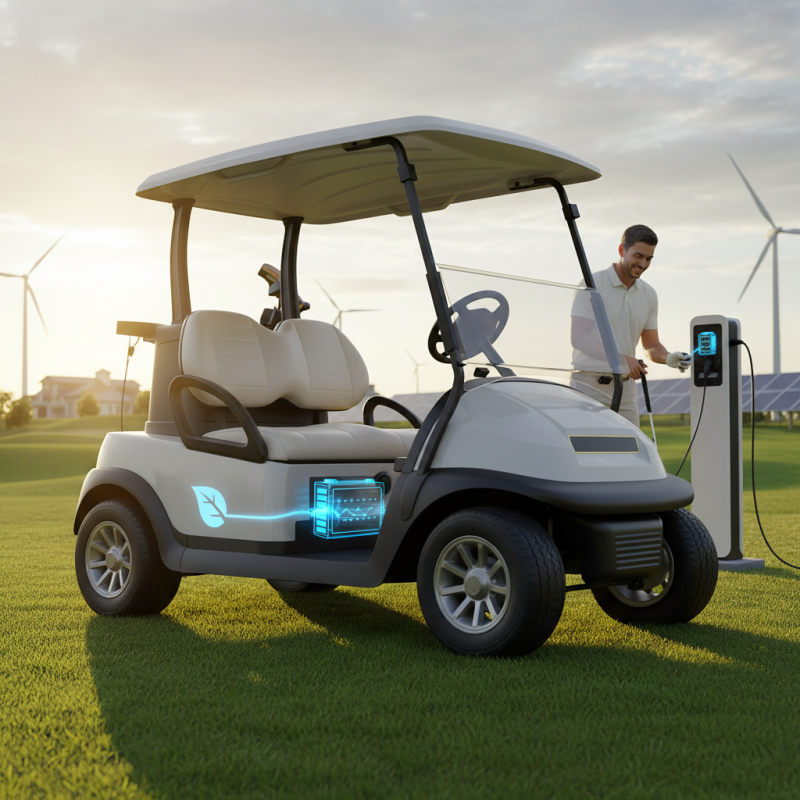
Lithium batteries have gained significant traction in the golf cart industry, offering an impressive array of benefits that enhance both performance and user experience. One of the key advantages is their higher energy density compared to traditional lead-acid batteries. According to a report by the Battery University, lithium batteries can offer up to 2-3 times more power, allowing golf carts to run longer distances on a single charge—approximately 50-60 miles, depending on the model and usage conditions. This extended range not only improves the convenience for users but also reduces the frequency of recharges, making them ideal for long days on the golf course.
Another notable benefit is the reduced weight of lithium batteries. Weighing about 50% less than their lead-acid counterparts, lithium batteries contribute to a lighter overall golf cart, improving handling and maneuverability. A 2022 study published by the Electric Drive Transportation Association highlighted that lighter carts can lead to increased efficiency in driving, particularly in hilly or uneven terrains common in many golf courses. Additionally, lithium batteries have longer lifespans, often exceeding 3,000 charge cycles, whereas traditional batteries typically last only around 1,000 cycles. This longevity translates to lower replacement costs over time and a more sustainable choice for environmentally conscious golfers.
Key Features of Lithium Batteries Compared to Lead-Acid
Lithium batteries offer several key advantages over traditional lead-acid batteries, particularly for golf carts. One of the most notable features is their energy density. Lithium batteries are significantly lighter and more compact than lead-acid counterparts, allowing for better weight distribution and increased efficiency on the golf course. This lightweight design not only enhances the performance of the cart but also helps extend its range, giving golfers more time on the green without the need for frequent recharging.
Another critical feature of lithium batteries is their faster charging time. While lead-acid batteries can take up to 8-12 hours to recharge fully, lithium batteries can often be fully charged within a few hours, making them more convenient for users who want to maximize their playtime. Additionally, lithium batteries offer a greater number of discharge cycles, often lasting up to five times longer than lead-acid batteries. This longevity means that users not only save on replacement costs over time but also contribute to a more sustainable environment by reducing waste associated with battery disposal.
In summary, when comparing lithium batteries to lead-acid options, the benefits of weight, charging speed, and lifespan stand out as compelling reasons for golfers to make the switch. These features enhance the overall experience, making every round of golf a little more enjoyable.
Tips for Choosing the Right Lithium Battery for Your Golf Cart
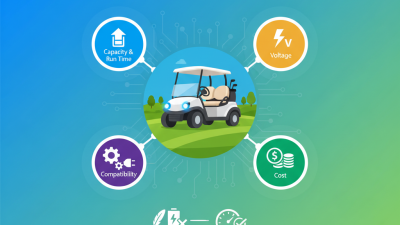
When it comes to choosing a lithium battery for your golf cart, several factors can influence your decision. First, consider the voltage requirements of your cart. Most golf carts operate on 36V or 48V systems, so ensure that the lithium battery you select matches these specifications. This alignment is crucial for optimal performance and longevity.
Another important tip is to assess the capacity and amp-hour rating of the battery. This rating determines how long your golf cart can run on a single charge. If you often play on long courses or require extended use, opting for a higher amp-hour rating will provide the endurance you need. Additionally, take into account the weight of the battery. Lithium batteries are generally lighter than traditional lead-acid batteries, contributing to improved performance and handling.
Lastly, look for features such as built-in battery management systems (BMS) that offer protection against overcharging and overheating. A BMS enhances the safety and lifespan of your battery, ensuring that it operates smoothly and efficiently. Remember to also check the warranty and customer reviews for peace of mind, as these can provide insight into the reliability and performance of the battery you are considering.
Advantages of Lithium Batteries for Golf Carts
This chart represents the key advantages of lithium batteries for golf carts based on various criteria. Each advantage is rated on a scale from 1 to 10, showcasing why lithium batteries are a preferred choice for enhancing golf cart performance.
Maintenance and Care for Lithium Batteries in Golf Carts
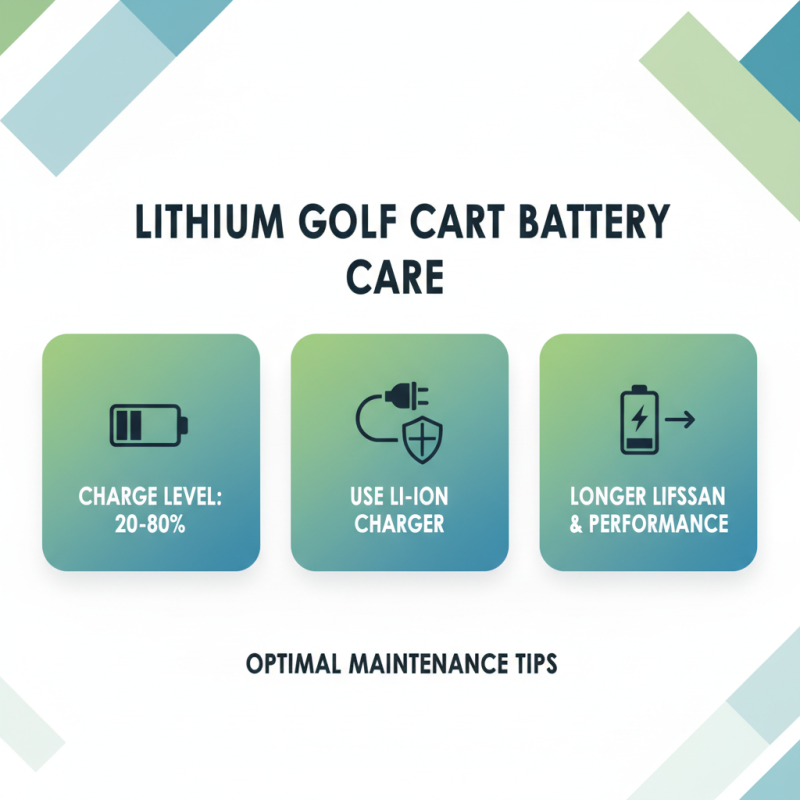
When it comes to maintaining lithium batteries in golf carts, proper care can significantly extend their lifespan and performance. One of the essential aspects of maintenance is regular monitoring of the battery's state of charge. Unlike traditional lead-acid batteries, lithium batteries do not require full discharges. It is beneficial to keep the charge level between 20% and 80% for optimal performance. Additionally, using a charger specifically designed for lithium batteries can safeguard against overcharging, which can impair the battery's capacity and longevity.
Temperature management is another crucial factor in the care of lithium batteries. These batteries perform best in moderate temperatures; hence, keeping the golf cart in a climate-controlled environment whenever possible can help prevent damage from extreme heat or cold. Moreover, regular inspections for any signs of wear or damage to cable connections and terminals can ensure that the battery operates efficiently and safely. Following these maintenance tips will not only enhance the performance of your lithium battery but also contribute to a more reliable and enjoyable golfing experience.
Understanding the Cost vs. Longevity of Lithium Batteries
When considering the investment in a lithium battery for golf carts, understanding the cost versus longevity is crucial. The initial cost of lithium batteries can be significantly higher than traditional lead-acid batteries, often ranging from $1,500 to $3,000, while lead-acid options may cost between $800 to $1,500. However, the longevity and performance of lithium batteries make them a more economical choice in the long run. Industry research indicates that lithium batteries can provide 2,000 to 5,000 charging cycles compared to approximately 500 to 1,000 cycles for lead-acid batteries. This extended lifespan translates to less frequent replacements and reduced long-term costs.
Additionally, lithium batteries maintain a stable voltage output throughout their discharge cycle, which allows for better efficiency and consistent performance. According to a recent report by the Battery Council International, lithium batteries can also offer up to 90% depth of discharge, as opposed to only 50% for lead-acid batteries. This means that golf cart owners can utilize a greater portion of the battery's capacity without harming its lifespan, translating to more usage time on the course. By factoring in these elements of cost-effectiveness and enhanced performance, it's evident that investing in lithium technology is not only financially prudent but can also greatly enhance the golf cart experience.
Why Choose a Lithium Battery for Your Golf Cart: Benefits and Tips - Understanding the Cost vs. Longevity of Lithium Batteries
| Aspect |
Lithium Battery |
Lead-Acid Battery |
| Initial Cost |
$1,200 - $2,500 |
$800 - $1,500 |
| Lifespan |
5,000 - 7,000 cycles |
500 - 1,000 cycles |
| Weight |
30 - 70 lbs |
50 - 100 lbs |
| Charging Time |
2 - 4 hours |
6 - 8 hours |
| Maintenance |
Low |
High |
| Depth of Discharge |
Up to 100% |
50% recommended |
| Temperature Tolerance |
-4°F to 140°F |
32°F to 104°F |