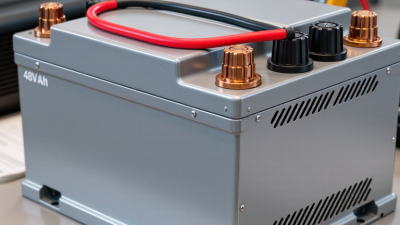
China Best 48V 160Ah LiFePO4 Lithium Battery Supplier?
Choosing the best China-based supplier for a 48V 160Ah LiFePO4 battery requires more than comparing prices. A battery labeled “48 V 160 Amp Battery Lifepo4 Lithium” usually stores about 8.2 kWh at a nominal 51.2 volts. However, usable energy depends on discharge limits, inverter settings, temperature, and battery age. This guide introduces practical criteria for evaluating manufacturers, distributors, and customized energy-storage solutions.
Reliable suppliers should provide clear cell specifications, BMS protection details, capacity test reports, and traceable production information. Ask whether the advertised 160Ah capacity was measured under a defined current and temperature. Request photographs of busbars, terminal covers, communication ports, and enclosure construction. Small details matter. A loose terminal can create heat during high-current operation. Suppliers should also explain low-temperature charging protection, balancing performance, warranty conditions, and after-sales support. Independent testing and appropriate regional certifications add confidence, but documents should be verified rather than accepted automatically.
Real-world suitability depends on the application. An off-grid cabin, electric vehicle, backup system, and commercial solar installation may require different discharge rates and communication protocols. No supplier is best for every project. That assumption needs testing. Buyers should compare sample performance, response speed, replacement procedures, and long-term technical support. This overview focuses on evidence-based selection, not marketing language. It also recognizes an uncomfortable point: a lower purchase price may hide weaker cells, limited warranty coverage, or incomplete testing. Careful questions often reveal more than polished brochures.
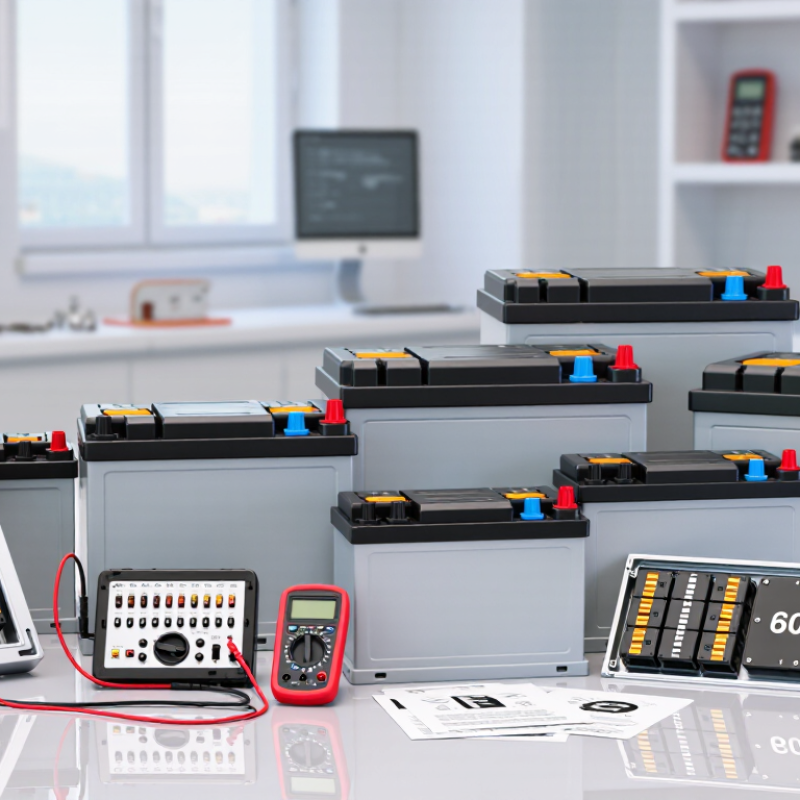
What Is a 48V 160Ah LiFePO4 Battery? Key Specs and 8.19 kWh Capacity
A 48V 160Ah LiFePO4 battery usually uses a 51.2V nominal voltage, produced by sixteen 3.2V cells in series. Its rated energy is about 8.19 kWh, calculated from 51.2V × 160Ah. This capacity can support solar storage, backup power, small electric vehicles, and off-grid equipment. However, 8.19 kWh is a theoretical figure. Usable energy becomes lower after depth-of-discharge limits, inverter losses, temperature changes, and battery aging.
A reliable battery should include a certified battery management system, cell balancing, overcharge protection, short-circuit protection, and temperature monitoring. LiFePO4 chemistry is valued for thermal stability and long cycle life. Actual performance depends on charging habits and operating conditions. A supplier should provide cell specifications, cycle-test data, warranty terms, safety documents, and clear communication about production quality. Do not judge a supplier by capacity alone. That can mislead.
Tips: Check whether the quoted 160Ah rating was tested under a defined current and temperature. Ask for the continuous charge and discharge limits. Confirm the battery’s dimensions, weight, terminal design, and communication interface before installation. A practical inspection should include voltage consistency and visible case quality. Small details matter. A slightly imperfect quotation is acceptable, but unclear test conditions deserve careful review.
48V 160Ah LiFePO4 Battery: Key Specifications and 8.19 kWh Capacity
A typical “48V” LiFePO4 battery uses a 16-series-cell configuration with a nominal voltage of 51.2V.
At 160Ah, its nominal energy is 51.2V × 160Ah = 8.19 kWh. The estimated usable energy varies with the selected depth of discharge: approximately 7.37 kWh at 90% DoD and 6.55 kWh at 80% DoD.
How Do 16S LiFePO4 Cells Create a 51.2V Battery System?
A 48V 160Ah LiFePO4 battery usually uses 16 cells connected in series. Each cell has a nominal voltage of 3.2V, so 16 × 3.2V produces 51.2V. This is why many suppliers call it a 48V battery system. The “48V” label describes its application class, not its exact operating voltage.
A fully charged LiFePO4 cell can reach about 3.65V. Therefore, a 16S battery may reach 58.4V during charging. Its capacity remains 160Ah because series wiring increases voltage, not ampere-hours. Nominal energy is approximately 8.19kWh, calculated from 51.2V × 160Ah. The battery management system must monitor all 16 cell groups, control charging, prevent excessive discharge, and balance voltage differences. Small detail. A weak connection can create heat, voltage loss, or inaccurate readings.
In practical assembly, matched cells, insulated busbars, secure terminals, and suitable cables matter greatly. Charging equipment must support the correct 16S voltage profile. Temperature sensors add protection, especially in cold or poorly ventilated locations. It is easy to underestimate installation quality. A system may show normal voltage while one cell group slowly drifts away from the others. Regular voltage checks and capacity testing provide useful evidence, although testing methods are not always perfectly consistent. That uncertainty deserves attention when comparing suppliers, specifications, and long-term battery performance.
How to Evaluate China Suppliers by Quality, Warranty, and Cycle Life
A 48V 160Ah LiFePO4 battery stores about 7.68kWh under nominal conditions. Choosing a China supplier requires more than comparing price. Ask for cell specifications, production photos, capacity test records, and the BMS protection range. A reliable supplier should explain balancing, overcurrent protection, thermal monitoring, and low-temperature charging limits. Request a recent test report, not a recycled document.
Cycle life needs careful interpretation.
“4,000 cycles” means little without test conditions. Confirm discharge depth, charging rate, temperature, and the capacity retention target, such as 80%. A battery tested at 25°C and a gentle rate may perform differently in a hot cabinet. Check whether the supplier can provide traceable batch data. Small details matter. I would also test a sample through repeated charge and discharge cycles before ordering heavily.
Warranty terms reveal the supplier’s real confidence.
Read the exclusions for installation errors, storage, operating temperature, and unauthorized repairs. Confirm who pays shipping and how defective units are diagnosed. A clear warranty should state duration, remaining capacity, response time, and replacement procedures. Be cautious when a supplier promises unusually long life without evidence. I have seen polished specifications create false confidence. My own evaluation can also miss hidden issues, so an independent inspection and written acceptance criteria remain worthwhile.
Where Are 48V 160Ah Batteries Used in Solar, UPS, and Telecom Systems
A 48V 160Ah LiFePO4 battery stores about 7.68 kWh of nominal energy. In solar systems, it can support evening loads, backup lighting, pumps, and communication equipment. Its stable voltage helps inverters operate consistently. During cloudy periods, the battery reduces dependence on grid power. Actual usable energy depends on discharge limits, temperature, inverter efficiency, and battery management settings.
In UPS systems, this battery can protect servers, medical equipment, and control devices during short outages. The BMS should provide overcharge, over-discharge, temperature, and short-circuit protection. Telecom sites often use 48V battery banks because the voltage matches common DC power architecture. A properly sized unit can support network cabinets, radio equipment, and remote monitoring devices. However, battery capacity alone does not guarantee long runtime. Load testing is essential. I have seen projects fail because engineers trusted labels instead of measured demand.
Tips: Check the real load in watts, not only the equipment rating. Confirm charging voltage, communication protocols, ventilation, cable size, and maintenance access. Keep the battery within its recommended temperature range. Include a safety margin for aging and unexpected loads. Field conditions are rarely perfect.