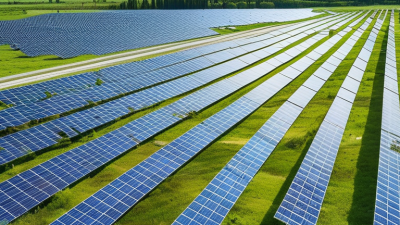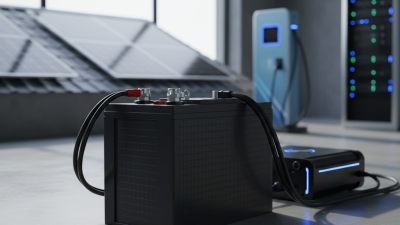
Choosing the best Solar Battery from China is not a simple price comparison. Global buyers must examine chemistry, safety, lifespan, certifications, warranty terms, and after-sales support. A battery that performs well in Shanghai may struggle in a hot desert, a humid island, or a freezing rural market.
Lithium iron phosphate, or LFP, is now a strong choice for many residential and commercial systems. It offers good thermal stability, long cycle life, and reliable daily performance. NMC batteries may provide higher energy density, but their thermal-management demands can be greater. Lead-acid batteries remain familiar and affordable, yet they usually require more space and replacement planning. Flow batteries can suit larger projects, although their higher system complexity may limit adoption.
The details matter.
A serious buyer should request cycle-life data at specified temperatures and discharge rates. Marketing numbers alone are not enough. Ask for independent test reports, UN38.3 transport compliance, IEC-related certifications, and clear battery-management-system documentation. Inspect the supplier’s factory quality controls, cell sourcing, and real warranty response process. One missing document can change the purchase decision.
Dr. Imre Gyuk, a longtime U.S. energy-storage expert, has said, “Energy storage is the key to the future of the electric grid.” His point remains practical. Solar generation changes by hour, while demand does not. The best Solar Battery is therefore not always the cheapest or most powerful model. It must match local weather, electricity prices, installation skills, grid conditions, and maintenance capacity. Even experienced buyers can overlook these factors. That is where careful comparison becomes valuable.
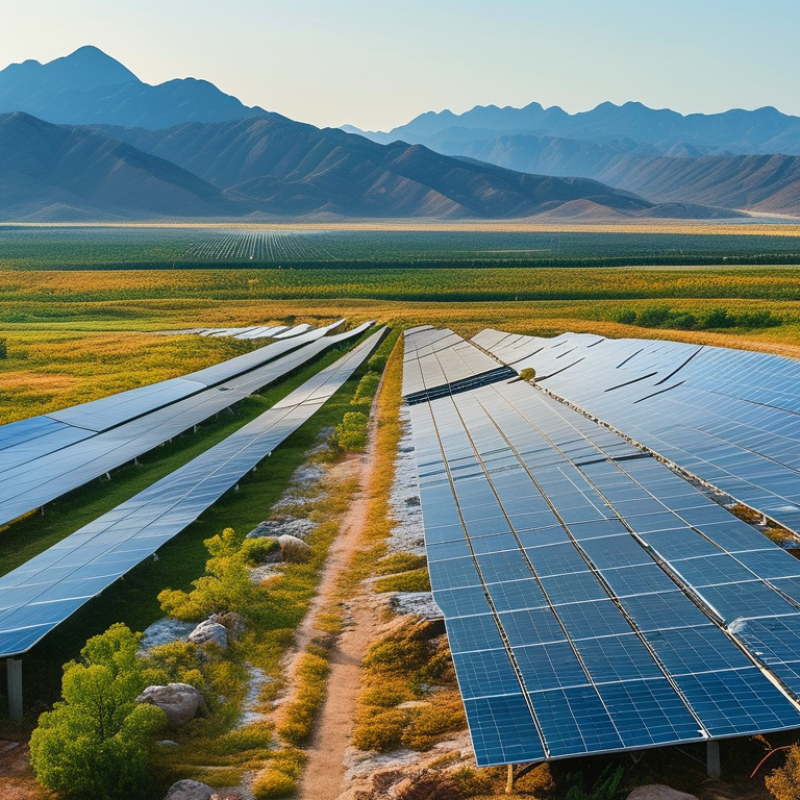
China’s solar batteries suit global buyers because the supply chain is broad, mature, and highly adaptable. Manufacturers can produce lithium iron phosphate batteries for homes, farms, and commercial sites. These systems offer stable cycling, strong thermal performance, and useful daily storage. Many factories also support different voltages, communication protocols, and enclosure designs.
Practical buyers should examine more than capacity labels. Ask for cell specifications, cycle-test records, protection settings, and temperature data. A reliable supplier should explain battery management systems clearly. It should also provide documentation for transport, installation, and local electrical requirements. In real projects, details matter. A 10 kWh battery may deliver less usable energy after reserve limits and conversion losses. Buyers need that figure before comparing prices.
China’s manufacturing network can shorten development time and make replacement parts easier to source. It may also support private-label housing or customized monitoring software. However, lower pricing can hide weaker testing or inconsistent after-sales support. This risk deserves attention. Factory audits, sample testing, and independent certification checks reduce uncertainty. Even experienced purchasers can miss regional grid rules or installer training needs. A battery can perform well in a warehouse but struggle in a humid coastal home. Climate, duty cycles, warranty language, and service response should guide the final decision. sexlewsi
Choosing the best solar battery depends on chemistry, climate, load patterns, and project duration. The main options are lead-acid, lithium iron phosphate (LFP), nickel manganese cobalt (NMC), and flow batteries. They do not solve the same problem.
Lead-acid batteries remain familiar and relatively affordable. However, they are heavy, usually tolerate shallower discharge, and often need replacement sooner.
LFP batteries offer strong cycle life, stable thermal behavior, and useful depth of discharge. They suit homes and commercial systems with daily cycling.
NMC batteries provide higher energy density, which helps where installation space is limited. Their thermal management requirements demand closer engineering attention.
Flow batteries can support long-duration storage, but their larger tanks and lower energy density may complicate small installations.
The numbers matter. The International Energy Agency reported a 14% decline in average lithium-ion battery pack prices during 2023. That trend improves lithium-based project economics, although installed costs still vary widely. The U.S. National Renewable Energy Laboratory commonly models lithium-ion storage with round-trip efficiency near 85% to 95%, depending on system design and operating conditions.
Efficiency is not everything. A battery facing 45°C outdoor temperatures may lose practical performance without ventilation, controls, and suitable enclosure design. Buyers should check cycle warranties, usable capacity, degradation assumptions, and compliance with recognized safety standards such as IEC 62619. I would not choose chemistry from price alone. A low purchase price can become expensive after frequent replacement, poor winter performance, or an oversized inverter.
For global buyers, lithium iron phosphate batteries are often a practical choice for solar storage. They offer stable chemistry, strong cycle life, and lower thermal risk than many alternatives. However, “best” depends on your climate, daily load, and installation design. A 10 kWh battery may provide less usable energy after reserve limits and conversion losses. Check usable capacity, not only the advertised number. Also review the continuous output rating. A large battery can still struggle with pumps, refrigerators, or workshop tools.
Performance depends on more than battery cells. Compare round-trip efficiency, charging speed, inverter compatibility, and performance in cold or hot conditions. Safety records matter. Look for documented protection against overcharge, overheating, short circuits, and deep discharge. Independent testing and relevant certifications can support reliability, but certificates should match your destination market. Lifespan claims also need careful reading. A cycle rating usually assumes controlled temperature and moderate charging. Real homes are less predictable. That difference deserves attention.
Tips: Ask for the battery’s usable capacity, warranty conditions, cycle-test method, and temperature limits. Confirm whether remote monitoring stores clear fault records. Check the installer’s commissioning procedure. Do not select capacity by price alone. A smaller system with correct load planning may perform better than an oversized system. I would also leave expansion room, because energy use often grows after installation. Don’t ignore maintenance access.
| Battery Type | Typical Energy Density | Recommended Usable Capacity | Round-Trip Efficiency | Recommended Depth of Discharge | Typical Cycle Life | Expected Service Life | Safety Profile | Temperature Considerations | Maintenance | Best-Fit Applications |
|---|---|---|---|---|---|---|---|---|---|---|
| Lithium Iron Phosphate (LFP) | 90–160 Wh/kg | 90–100% of rated capacity | 92–98% | 80–95% | 3,000–7,000+ cycles | 10–15 years with suitable operating conditions | Very stable chemistry and lower thermal-runaway risk than NMC; protection electronics are still required | Discharge commonly around −20°C to 55°C; charging below 0°C generally requires heating or control | Low; battery management system monitoring is required | Residential storage, commercial systems, microgrids, and frequent daily cycling |
| Lithium Nickel Manganese Cobalt Oxide (NMC) | 150–250 Wh/kg | 80–95% of rated capacity | 90–97% | 70–90% | 1,500–4,000 cycles | 8–12 years, depending on temperature and cycling intensity | Higher energy density but greater thermal-management requirements; certified enclosure and protection systems are important | Performance declines faster at high temperatures; charging limits below 0°C are common | Low, provided the battery management and thermal systems are correctly installed | Space-constrained systems, backup power, and applications prioritizing compact size |
| Absorbent Glass Mat (AGM) Lead-Acid | 30–50 Wh/kg | Approximately 50% for regular use | 75–85% | 30–50%; deeper discharge significantly reduces life | 500–1,200 cycles | 3–7 years, depending on discharge depth and temperature | Sealed and generally safe when correctly charged, but overcharging can produce gas and heat | High temperatures accelerate aging; cold temperatures reduce available capacity | Low, but correct charging voltage and ventilation requirements must be followed | Low-cost backup systems, occasional-use solar installations, and off-grid projects with limited cycling |
| Gel Lead-Acid | 25–45 Wh/kg | Approximately 50–60% for regular use | 75–85% | 40–60% | 700–1,500 cycles | 4–8 years under moderate cycling | Sealed construction and low spill risk; overcharging can permanently damage the gel electrolyte | Sensitive to excessive heat and incorrect charging; cold weather reduces capacity | Low, with a charger configured for gel batteries | Remote installations, moderate-cycle backup, and environments where spill resistance is useful |
| Sodium-Ion | Approximately 90–160 Wh/kg | 80–95% of rated capacity, depending on the system design | 90–96% | 80–95% | Approximately 2,000–5,000 cycles for current commercial designs | Expected service life varies by cell design and operating profile | Generally good thermal stability and no dependence on lithium, nickel, or cobalt; system certification remains essential | Often performs well in cold conditions, but the exact charging range is design-specific | Low; use only with a compatible battery management system and inverter | Emerging residential and commercial storage where cold-weather performance and material availability matter |
Chinese solar batteries fit different energy needs, not one universal market. Lithium iron phosphate (LFP) suits homes, farms, and small commercial sites requiring daily cycling. It offers strong thermal stability and long service life. A 5–10 kWh LFP system can support evening lighting, refrigeration, and communication equipment. Real performance still depends on temperature, inverter settings, and installation quality.
For space-limited systems, lithium nickel manganese cobalt oxide (NMC) provides higher energy density. It can reduce cabinet size, but thermal management requires greater attention. Sodium-ion batteries may suit cold regions and cost-sensitive backup projects. Their commercial experience remains less mature. The International Energy Agency reported that lithium-ion battery prices fell by 14% in 2023, while stationary storage deployment continued expanding in 2024. Price signals matter, but they do not replace field testing.
Lead-acid batteries remain practical for low-budget backup and occasional use. They are heavier and usually need more frequent replacement. Flow batteries can serve larger sites needing long-duration discharge, although their footprint and project cost remain challenging. The International Renewable Energy Agency notes that storage choice should reflect duration, cycling frequency, safety, and total lifetime cost. Buyers should request cycle-life evidence at the intended temperature. I have seen attractive datasheets hide weak winter performance. That deserves scrutiny. A careful comparison should include usable capacity, warranty conditions, battery management, recycling arrangements, and local technical support.
Typical cycle life and round-trip efficiency by battery chemistry. Higher cycle life suits daily cycling, while higher efficiency reduces energy losses.
Flooded, AGM, and gel lead-acid batteries are generally suitable for budget-conscious or backup applications. NMC lithium-ion batteries offer high energy density for space-limited systems, while LFP lithium-ion batteries are commonly preferred for frequent daily cycling, longer service life, and strong thermal stability. Values are representative industry figures and vary with temperature, charging method, depth of discharge, and system design.
Global buyers choosing a solar battery should examine the supplier, not only the battery type.
Lithium iron phosphate batteries suit many stationary systems because they offer stable chemistry and long cycle life. However, performance depends on cell quality, thermal control, battery management software, and installation conditions. A low price may hide smaller usable capacity or limited protection.
Ask the supplier for independent test reports, safety certifications, warranty terms, and clear cycle-life conditions.
Check whether capacity is measured at a realistic temperature and discharge rate. Request the exact model number, production date, and traceability records.
A spreadsheet can look convincing. It can still hide weak assumptions.
Supplier factories should also explain quality inspections, failure handling, and replacement procedures in writing.
Climate matters.
A battery designed for a mild warehouse may perform poorly in extreme heat or cold. Confirm operating temperature ranges, enclosure ratings, communication protocols, and compatibility with local inverters.
Check after-sales response times and the availability of trained technical support. Sample testing before a large order is sensible, even when documents appear complete.
I would also compare warranty exclusions carefully, because installation errors, deep discharge, and poor ventilation may shift responsibility to the buyer. That detail is easy to miss.