Why Choose a 48V 50A Lithium Battery for Your Energy Needs?
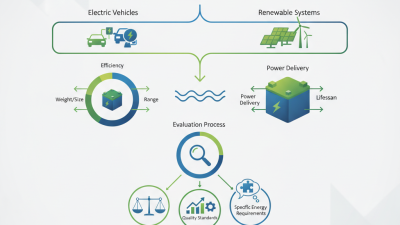
The demand for reliable energy solutions is growing. Among the options available, the 48V 50A Lithium battery stands out. This battery offers a combination of power, efficiency, and versatility. With its high voltage and current rating, it is suitable for various applications, including solar energy systems and electric vehicles.
Users seeking efficient energy storage will find the 48V 50A Lithium battery beneficial. It provides a lightweight alternative to traditional lead-acid batteries. Longevity is another key advantage. These batteries can endure a greater number of charge cycles, reducing the need for frequent replacements. However, potential buyers should consider their specific needs.
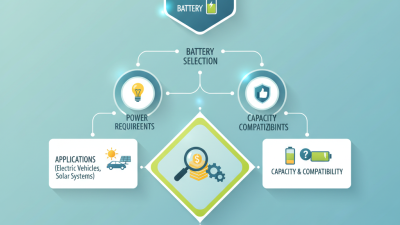
Investing in a 48V 50A Lithium battery is a decision worth pondering. While it offers numerous benefits, it's essential to evaluate your energy usage carefully. Not every user may require such a powerful battery. Conducting thorough research will ensure you make an informed choice.
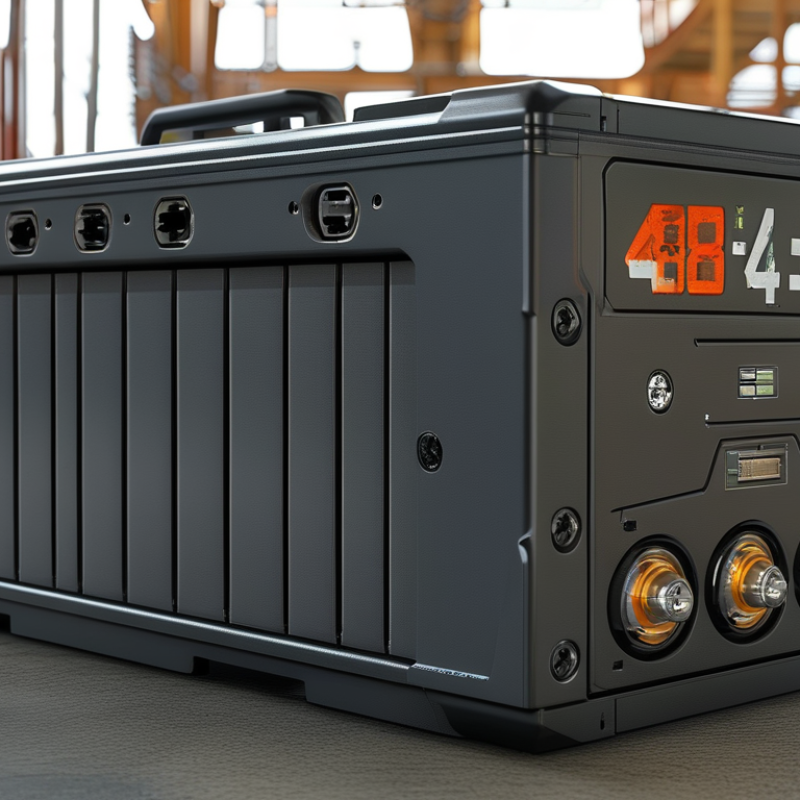
Benefits of Using a 48V 50A Lithium Battery for Renewable Energy Systems
The demand for renewable energy solutions is skyrocketing. A 48V 50A lithium battery stands out in this landscape. According to a report by the International Renewable Energy Agency, lithium batteries are projected to dominate energy storage systems in the coming years. With their high energy density, these batteries provide efficient power for various applications.
One key advantage is their longevity. Typical lithium batteries can last over 2000 charging cycles. This makes them an economical choice for long-term use. Additionally, they have a higher charge and discharge efficiency, around 95%, compared to traditional lead-acid batteries. This efficiency translates to more usable energy and reduced electricity costs.
Another benefit lies in their lightweight design. A 48V 50A lithium battery weighs significantly less than older battery types. This makes installation easier and less costly. However, there are considerations. Initial costs can be higher than conventional options. Balancing short-term expenses with long-term gains requires careful thought. Ultimately, choosing a lithium battery can enhance renewable energy systems, but evaluating specific needs is crucial.
Comparison of 48V 50A Lithium Batteries vs. Lead-Acid Batteries
When comparing 48V 50A lithium batteries to traditional lead-acid batteries, the differences are striking. A report by the Energy Storage Association highlighted that lithium batteries have a cycle life of approximately 2,000 to 5,000 cycles. In contrast, lead-acid batteries typically last only 200 to 600 cycles. This means that over time, lithium batteries can yield substantial savings and reduced waste.
Additionally, lithium batteries offer higher energy density, providing more power in a smaller package. For instance, a 48V 50A lithium battery can deliver about 2.4 kWh of energy, which is significantly more than lead-acid alternatives. Yet, it's important to consider that lithium batteries require careful handling and management to avoid thermal runaway.
Nonetheless, lead-acid batteries can be more forgiving in certain conditions. They are generally easier to recycle and have a longer history in various applications. It can be challenging for users to shift from a familiar technology to lithium. This transition may involve upfront costs and the need for compatible infrastructure. These aspects warrant reflection when making a choice for your energy storage needs.
Performance Metrics: Efficiency and Lifespan of 48V 50A Lithium Batteries
When considering energy solutions, the efficiency of a 48V 50A lithium battery stands out. These batteries offer a notable energy density, providing substantial power in a compact design. They perform admirably under various load conditions. Users can depend on them to deliver consistent energy over extended periods. The discharge rates help maintain a stable output, contributing to various applications from home energy systems to electric vehicles.
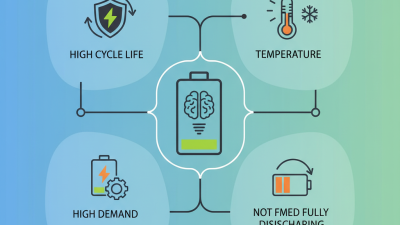
Lifespan is another crucial factor. A well-maintained 48V 50A lithium battery can last for thousands of cycles. Regular monitoring and proper charging practices can extend their longevity. However, improper usage may lead to premature degradation. Users should be aware of temperature extremes, which can impact battery health. Insights into their internal chemistry reveal vulnerabilities that can affect overall performance.
It's important to note that not all lithium batteries handle high demands equally. The choice of materials and manufacturing processes varies widely. This inconsistency can result in unpredictable performance. Each battery’s behavior depends on its specific design and intended use. Prospective users should research the intricacies of battery management systems, which play a pivotal role in safeguarding battery life.
Applications of 48V 50A Lithium Batteries in Various Industries
The 48V 50A lithium battery is gaining attention across various industries. Its applications span renewable energy, electric vehicles, and telecommunications. According to a recent market report, the lithium battery market is expected to grow by 20% annually until 2025. This growth is driven by the increasing need for efficient energy storage solutions.
In the renewable energy sector, these batteries play a crucial role. Solar energy systems use them for storing excess power generated during the day. This stored energy can be used when sunlight is not available. In electric vehicles, the demand for high-capacity batteries is paramount. A 48V system strikes a balance between weight and power, enhancing vehicle performance while optimizing energy use.
Telecommunications rely on these batteries for backup power. They ensure network reliability during outages. The global telecommunications market is projected to expand, further increasing the need for reliable battery sources. However, challenges in battery recycling and sustainability pose significant concerns. The environmental impact of lithium extraction raises questions about the long-term viability of these batteries. Awareness of these issues is vital for advancing technology responsibly.
Why Choose a 48V 50A Lithium Battery for Your Energy Needs?
| Application Area |
Key Benefits |
Typical Use Case |
Efficiency Rating |
| Renewable Energy Storage |
High energy density, eco-friendly |
Solar and wind energy systems |
>90% |
| Electric Vehicles |
Long lifespan, fast charging |
Electric cars and bikes |
>95% |
| Backup Power Systems |
Reliable and stable power supply |
Home and commercial backup solutions |
>85% |
| Marine Applications |
Lightweight, corrosion resistant |
Yachts, boats, and marine equipment |
>90% |
| Telecommunications |
Compact design, high capacity |
Cell towers and data centers |
>88% |
Cost Analysis: Long-Term Savings with 48V 50A Lithium Battery Technology
The 48V 50A lithium battery shows promising long-term savings, making it an appealing choice for energy needs. According to the Energy Storage Association, lithium batteries offer up to 20% higher efficiency than traditional lead-acid options. This efficiency leads to significant cost savings over time. For instance, a typical lithium battery can last up to 10,000 cycles, while lead-acid batteries only last around 500 cycles. This longevity means less frequent replacements, reducing overall costs.
The initial investment in a 48V 50A lithium battery might seem high. However, saving on replacement and maintenance costs contributes to its appeal. According to market reports, users can expect a return on investment within three to five years. As energy prices rise, the savings from efficient energy storage become even more significant.
Tip: When considering battery options, analyze the total cost of ownership, not just the upfront price. Look for hidden costs like maintenance and disposal fees. Think twice before choosing cheaper alternatives; long-term savings are often overlooked during initial calculations.
Cost Analysis of 48V 50A Lithium Battery vs. Traditional Lead-Acid Batteries