How to Choose 51.2V 180A Lithium Batteries for Your Needs?
Selecting the right battery can significantly impact performance and efficiency. The 51.2V 180A Lithium battery is notable for its high energy density and longevity. Industry reports indicate that lithium batteries, especially those with high voltages, are rapidly gaining popularity in various applications, including renewable energy systems and electric vehicles.
In recent studies, it was found that the demand for 51.2V lithium batteries is expected to grow by over 25% annually. This rise correlates with the increasing adoption of green technologies. However, not all lithium batteries are created equal. Users must consider critical factors like capacity, discharge rates, and cycle life. The nuances in these specifications can make or break the battery's performance.
Choosing a 51.2V 180A Lithium battery may seem straightforward, yet it requires careful consideration. Potential buyers often overlook important details. Compatibility with existing systems and safety features are crucial. Mistakes in these areas can lead to inefficiencies or even hazards. Hence, proper research and expert advice are essential for optimal decision-making.
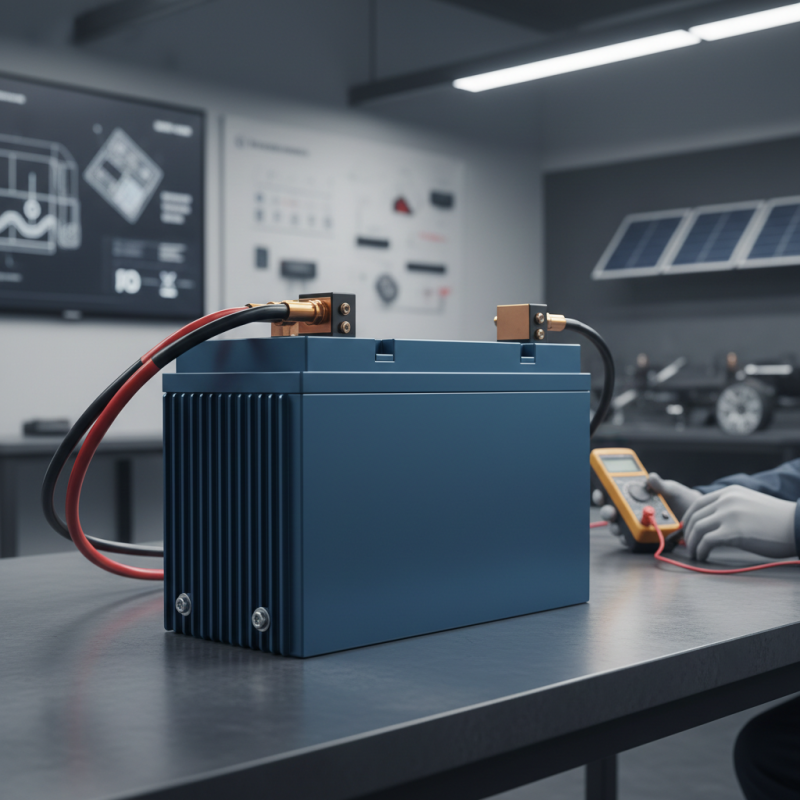
Understanding the Basics of 51.2V 180A Lithium Batteries
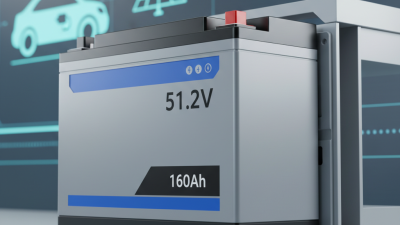
When choosing a 51.2V 180A lithium battery, it's crucial to understand its specifications. This type of battery typically provides a good balance between voltage and current output. It can power various applications, from solar energy systems to electric vehicles. A clear understanding of your power needs will help you select the right size and capacity.
Consider how long you require energy and the total load. Discharging a battery too deeply may damage it. Pay attention to the cycle life as well. High-capacity batteries often allow for more cycles. However, it’s essential to note that price and quality can vary significantly. Cheaper options may not always meet your long-term needs.
Another factor to think about is weight and dimensions. A heavy battery might be less convenient to install. Yet, sometimes more weight means better performance. You'll need to balance portability and power. Reflecting on these aspects will guide you toward a suitable choice for your project.
Comparison of 51.2V 180A Lithium Battery Parameters
Evaluating Your Power Needs and Applications for Battery Selection
Choosing the right 51.2V 180A lithium battery requires careful evaluation of your power needs. Understand your energy requirements first. This often involves analyzing the total watt-hours you need for your applications. For example, if you plan to use the battery for solar energy storage or electric vehicles, you should know how much energy these systems consume.
Industry statistics suggest that a typical household solar system requires a battery capacity of 10-15 kWh. If you are looking at a battery to power an electric vehicle, consider that these vehicles usually need between 20 kWh and 100 kWh of battery capacity. This means your selection depends significantly on how much power you will draw continuously.
Keep in mind that overestimating your needs can lead to unnecessary costs. On the other hand, underestimating may leave you with insufficient power. Conducting a thorough analysis will expose gaps in your understanding of energy consumption. There may also be unexpected challenges in performance, especially if the battery is under constant heavy load. Ensure you assess all factors before deciding.
How to Choose 51.2V 180A Lithium Batteries for Your Needs?
| Application |
Power Requirement (kW) |
Estimated Runtime (hrs) |
Battery Type |
Recommended Capacity (Ah) |
| Solar Energy Storage |
5 kW |
10 hrs |
Lithium Iron Phosphate |
100 Ah |
| Electric Vehicles |
15 kW |
6 hrs |
Lithium Cobalt Oxide |
70 Ah |
| Backup Power Supply |
3 kW |
12 hrs |
Lithium Manganese Oxide |
120 Ah |
| Marine Applications |
8 kW |
8 hrs |
Lithium Iron Phosphate |
90 Ah |
| Telecommunications |
2 kW |
15 hrs |
Lithium Nickel Manganese Cobalt |
150 Ah |
Key Specifications to Consider for 51.2V 180A Lithium Batteries
When selecting 51.2V 180A lithium batteries, consider key specifications that directly impact your energy needs.
Battery capacity is critical. It indicates how much energy the battery can store.
A higher capacity allows for longer runtimes and increased efficiency. Understanding the amp-hour rating will help you gauge performance during different applications.
Discharge rates are essential too. This specification determines how quickly batteries release energy.
If your devices demand high power quickly, opt for batteries with higher discharge rates.
Additionally, check for thermal management features. Batteries that manage heat well typically have longer lifespans.
They prevent overheating during operations, which can reduce efficiency.
Cycle life is another important factor. It refers to how many cycles a battery can undergo before its capacity drops significantly.
A higher cycle life means better longevity. This can save you money in the long run.
However, be aware that some batteries may not perform as advertised.
Misleading specifications can lead to unexpected outcomes.
Always research and read reviews to make informed decisions.
Assessing Battery Lifespan, Efficiency, and Safety Features
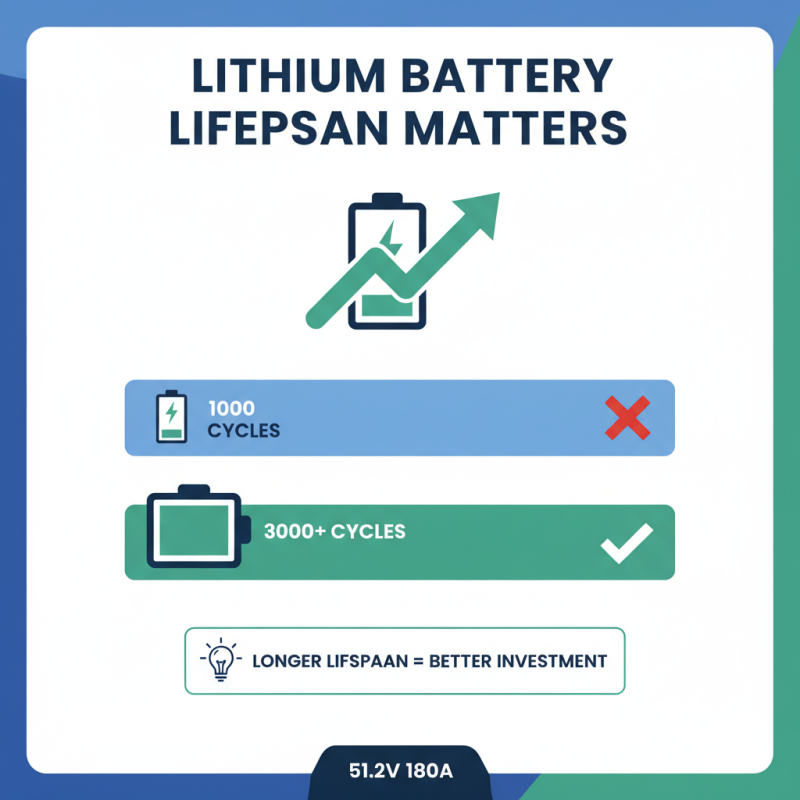
When selecting a 51.2V 180A lithium battery, lifespan is crucial. Look for batteries with lifecycles measured in thousands. A battery lasting 3000 cycles is better than one lasting 1000 cycles. The longer the lifespan, the better your investment.
Efficiency is equally important. Check the round-trip efficiency rate. A higher rate means more energy is usable. Aim for a minimum of 90%. This can significantly impact your energy savings. Additionally, consider the charging times. A battery that charges quickly can save you time.
Safety features should not be overlooked. Explore thermal management systems. They prevent overheating, reducing fire risks. Battery management systems are also vital. They help monitor the state of the battery, ensuring safe operation. Reflect on these factors. Have you prioritized them in your selection process?
Comparing Brands and Models for Optimal Performance and Price
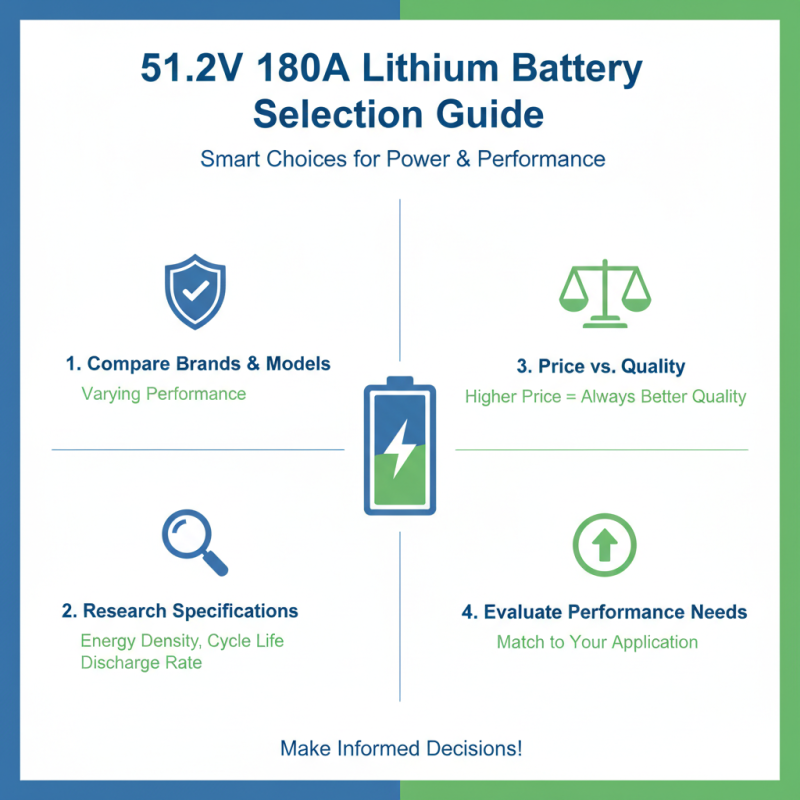
When selecting a 51.2V 180A lithium battery, comparing brands and models is vital. Different brands may have various performance standards. A higher price does not always guarantee superior quality. Researching specifications is essential. Look for energy density, cycle life, and discharge rates.
Tips: Always check reviews from real users. Their experiences can provide insights into performance and reliability. Sometimes, user feedback reveals issues that specifications may omit. Pay attention to warranty offerings as they reflect manufacturer confidence.
Consider the applications for which you need the battery. Certain models may excel in electric vehicles, while others are better suited for solar energy systems. Your requirements will influence your choice. Ensure you analyze the weight and size, too. A heavier battery might indicate better choice but may not fit all applications.
Tips: Keep an eye on seasonal discounts. Timing your purchase could save money. Analyze the long-term costs instead of just the upfront price. Remember, a cheaper battery may lead to higher replacement costs over time.