Top 10 Telecom Battery Suppliers for Global Buyers
Choosing a reliable Telecom Battery supplier is not simply a price comparison. It is an operational decision affecting network uptime, maintenance budgets, and emergency readiness. This guide introduces ten suppliers serving global buyers, with attention to product quality, manufacturing experience, technical support, and delivery capability.
A dependable Telecom Battery should perform under heat, cold, unstable grids, and repeated backup cycles. Buyers should examine lithium-ion and lead-acid options carefully. Chemistry changes weight, charging speed, service life, and safety requirements. Battery management systems matter too. So do warranty terms, replacement access, and field support.
Dr. M. Stanley Whittingham, a leading battery scientist, has said, “The challenge is to make batteries safer, cheaper, and more powerful.” That principle remains practical for telecom infrastructure. A battery may look impressive in a showroom, yet fail in a remote cabinet with poor ventilation. Real performance matters more than polished specifications.
This supplier overview considers measurable factors, including cycle life, operating temperature, certifications, customization, and global logistics. It also highlights possible weaknesses, because no supplier fits every network. Some companies offer advanced lithium solutions but limited regional support. Others provide affordable systems with heavier designs and longer installation times. Buyers should verify test reports, references, and after-sales response before signing contracts. A careful shortlist can reduce downtime, but it cannot replace site-specific engineering. That is the part many comparisons overlook.
Telecom Battery Basics and Their Role in Global Networks
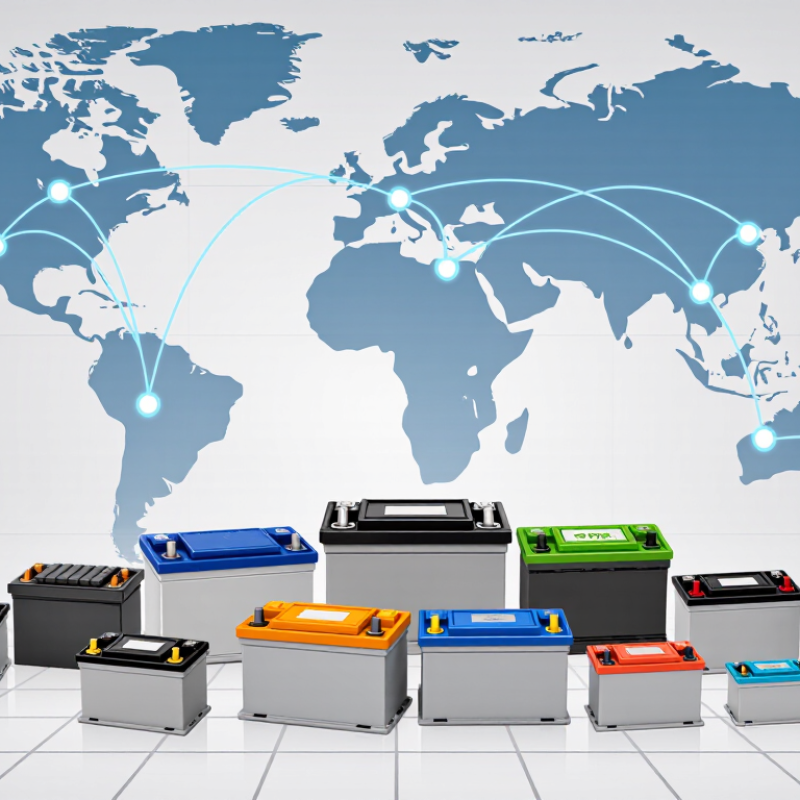
Telecom batteries provide backup power when grid supply fails, protecting network equipment from sudden shutdowns. They commonly use valve-regulated lead-acid or lithium-based cells. Each chemistry has different charging needs, service life, weight, and thermal behavior. A battery system must match the rectifier, cabinet, and expected load. Small details matter.
In global networks, batteries support towers, switching rooms, and remote communication shelters. Their autonomy may range from minutes to several hours. Capacity calculations should include current demand, aging, temperature, and future expansion. Battery management systems can track voltage, temperature, state of charge, and abnormal cell behavior. In practice, poor ventilation or loose connections can shorten service life quickly. I have seen capacity estimates fail because real traffic loads were higher than planning data. That deserves careful review.
Tips:
Check the required backup duration before comparing suppliers. Request test records, warranty terms, safety certifications, and recycling arrangements. Confirm operation across the site’s temperature range. Lithium systems need reliable protection controls, while lead-acid systems need inspection and suitable ventilation. Keep installation records. They save time later. Suppliers should also explain maintenance intervals, alarm functions, replacement procedures, and expected performance after several years. A low purchase price can hide higher cooling, transport, or replacement costs.
Top 10 Telecom Battery Suppliers for Global Buyers
Top 10 Telecom Battery Suppliers for Global Buyers
Global buyers need more than a low quotation when choosing telecom battery suppliers. The strongest candidates usually provide stable production, clear test records, and responsive technical support. Their products should match backup systems, cabinet sizes, temperature ranges, and charging profiles. A supplier with global shipping experience can also manage packaging, documentation, and regional compliance requirements.
A practical top-ten review should examine battery chemistry, cycle life, warranty terms, and replacement planning. Ask for recent capacity-test data, not only catalog figures. Check performance after high-temperature storage and repeated power interruptions. Lead-acid and lithium systems require different maintenance routines, safety controls, and monitoring options. Applicable IEC standards and local regulations should guide the final assessment. Small details matter. Terminal design matters. So does delivery consistency.
I would not trust a polished datasheet alone. Field performance can change with poor ventilation, incorrect charging, or overloaded equipment. Buyers should request sample units and inspect factory quality procedures where possible. Reference projects can reveal weaknesses that sales presentations hide. Even experienced procurement teams may overlook disposal planning or spare-part availability. That mistake becomes expensive during a remote-site failure. A reliable supplier communicates limits honestly, supports installation training, and updates documentation when specifications change. Presence is useful. Evidence is better.
Supplier Comparison by Technology, Capacity, and Market Coverage
Top 10 Telecom Battery Suppliers for Global Buyers
Comparing the top ten telecom battery suppliers requires more than checking price lists. Technology affects service life, safety, charging speed, and maintenance. Lead-acid batteries remain practical for cost-sensitive sites, while lithium-ion systems usually offer higher energy density and better cycle performance. Nickel-based options can tolerate harsh temperatures, but their purchase and maintenance costs may be higher.
Capacity should match the load profile, backup hours, and site conditions. Review rated ampere-hours, usable energy, discharge limits, cabinet size, and expansion options. A supplier serving small rural towers may differ from one supporting large data hubs. Market coverage also matters. Check local inventory, technical support, warranty handling, recycling channels, and delivery performance across each target region. Certification records and independent test data deserve careful attention. A polished brochure is not proof.
Tips: Request a full comparison sheet with test conditions. Ask how capacity changes at low temperatures. Confirm replacement lead times and remote monitoring compatibility. Speak with operators using similar sites, not only sales teams. No ranking is perfect; field performance can vary between climates, installers, and maintenance routines. One overlooked detail, such as connector design, may create delays months later.
Top 10 Telecom Battery Suppliers for Global Buyers
Supplier comparison by representative battery technology, nominal capacity, and lifecycle performance. Company names and brand-specific data are intentionally excluded.
Nominal energy is calculated from rated voltage × ampere-hours. Cycle-life figures represent typical industry values at approximately 50% depth of discharge and may vary by operating temperature, charging profile, and installation design.
How Global Buyers Can Select and Purchase Telecom Batteries
Selecting telecom batteries requires more than comparing prices on a supplier list. Global buyers should begin with the site profile: backup duration, cabinet size, ambient temperature, charging voltage, and expected outage frequency. A rural tower may need a compact battery for poor-grid conditions, while an urban data site may prioritize high cycle life. Specify the chemistry carefully, such as VRLA or lithium iron phosphate. Confirm rated capacity at the correct temperature and discharge rate.
Request test reports, safety certifications, warranty terms, and production traceability from each shortlisted supplier. Check whether the stated capacity matches independent testing, not only a product sheet. Ask for a sample unit and inspect terminals, labels, packaging, and battery-management settings. Tiny details matter.
Also review transport rules, import documents, recycling obligations, and local electrical requirements before placing a purchase order. A low quotation can become expensive after customs delays, replacement costs, or unsuitable connectors.
A reliable purchasing process includes a written inspection plan and clear acceptance limits. Require serial-number records, voltage measurements, capacity tests, and photographs before shipment. Discuss spare-unit ratios and technical support across different time zones. Payment protection may also reduce commercial risk. However, no checklist is perfect; field temperature and maintenance quality can change results. Buyers should record these uncertainties instead of hiding them. Compare total ownership cost over five years, not merely the initial invoice.