2026 Best 48 Volt 300 Amp Batteries for Global Buyers?
Choosing the 2026 best 48 Vot 300 Amp Batteries requires more than comparing advertised capacity. Global buyers need dependable power, verified safety, and practical lifetime value. A 48-volt battery delivering 300 amps can support demanding equipment, including electric utility vehicles, marine systems, backup power units, and industrial machinery. However, “300 amps” may describe peak output, not continuous performance. That difference matters.
Professor Shirley Meng, a leading battery scientist, has emphasized, “Battery innovation is a systems problem, not a single-material problem.” Her point fits this market closely. Cell chemistry, thermal control, battery-management software, connectors, enclosure design, and charging compatibility must work together. A lithium iron phosphate battery may offer strong cycle life and improved thermal stability. Yet it can still disappoint if its BMS limits current too aggressively.
Real-world testing matters.
This guide examines usable energy, continuous and peak discharge ratings, cycle data, operating temperatures, warranty terms, and international certification evidence. It also considers shipping weight, replacement support, and voltage consistency under load. A 48-volt, 300-amp battery sounds powerful on paper. The actual result may change in freezing warehouses, dusty work sites, or poorly ventilated compartments. Some product pages remain unclear about test conditions. That is a weakness buyers should not ignore. No ranking can fit every application perfectly, but careful comparison can reduce expensive mistakes. The strongest choices balance power, safety, serviceability, and honest specifications for buyers across different markets.
Understanding 48 Volt 300 Amp Batteries and Their Main Applications
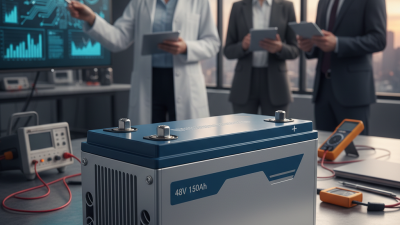
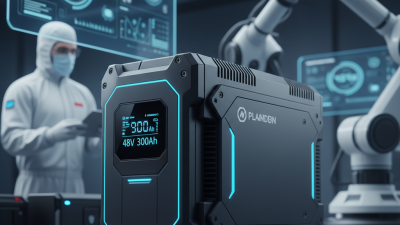
A 48 volt 300 amp battery needs careful interpretation. It may mean 300 amp-hours, not 300 amps of output. A 48V, 300Ah battery stores about 14.4 kWh nominally. A 51.2V lithium iron phosphate system stores approximately 15.36 kWh. Usable energy will be lower after reserve settings, inverter losses, temperature, and battery aging. The label still causes confusion.
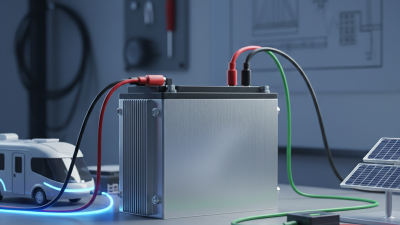
These batteries commonly support off-grid solar, telecom backup, recreational vehicles, marine equipment, warehouse machines, and small commercial energy systems. A 300A discharge rating could theoretically deliver about 14.4 kW at 48V, but the battery management system may restrict it. Check continuous current, peak current, cycle life, operating temperature, enclosure rating, and warranty test conditions. IEC 62619 and UN 38.3 are useful safety references for global purchasing, although local requirements still differ. The IEA’s Renewables 2024 report says global energy storage capacity must expand sixfold to about 1,500 GW by 2030. BloombergNEF’s 2024 Battery Price Survey reported an average lithium-ion pack price of 115 dollars per kWh. That figure does not directly represent complete 48V systems, because wiring, protection, housing, and installation add costs. Paper specifications look precise. Real performance is less tidy.
Battery Chemistry, Performance, Safety, and Service Life
A 48-volt, 300-amp-hour battery stores approximately 14.4 kWh under nominal conditions. Its 300-amp rating may describe capacity, not continuous discharge. Buyers must verify both specifications. Lithium iron phosphate chemistry is often preferred for stationary use because it offers strong thermal stability and long cycle potential. The International Energy Agency reported that LFP represented about 40% of global electric-car battery deployment in 2023, showing its growing technical acceptance.
Performance depends heavily on temperature, load, and battery management settings. A 300-amp continuous output can deliver roughly 14.4 kW at 48 volts, but cables, connectors, and cooling systems must support that current safely. BloombergNEF reported average lithium-ion pack prices near 115 dollars per kWh in 2024. This figure does not predict a complete system price. Enclosures, monitoring, certification, and installation remain significant costs.
Safety needs evidence, not marketing language. Look for testing aligned with IEC 62619, UL 1973, and UN 38.3 transport requirements. These standards address different risks. They are not interchangeable. Properly managed LFP batteries may reach 3,000 to 6,000 cycles, but actual service life falls with heat, deep discharge, and prolonged full charging. The U.S. Department of Energy has repeatedly identified temperature control and battery management as major durability factors. The uncomfortable point is simple: a laboratory cycle claim is not a field guarantee. Real systems need verified thermal data, accessible diagnostics, and a practical service plan.
2026 Best 48 Volt 300 Ah Battery Chemistries for Global Buyers
Representative comparison of cycle life, usable energy, round-trip efficiency, and approximate battery-pack weight.
Reference basis: 48 V-class, 300 Ah batteries provide approximately 14.4 kWh at 48 V or 15.36 kWh at 51.2 V. The chart uses representative mid-range engineering values rather than any specific company or brand.
Interpretation: Lithium iron phosphate (LFP) generally offers the longest service life, high usable capacity, strong thermal stability, and good efficiency. Nickel-manganese-cobalt (NMC) usually provides lower weight and higher energy density. Lead-acid batteries have lower upfront cost but typically offer shorter cycle life, lower usable capacity, and greater weight.
Actual results depend on operating temperature, charge and discharge rate, depth of discharge, battery management settings, installation quality, and maintenance.
How to Choose the Right 48V 300A Battery for Global Use
Choosing a 48V 300A battery for global use starts with a precise load profile. The 300A figure may describe continuous output, peak output, or a protection limit. Ask for test conditions, duration, voltage cutoff, and ambient temperature. A battery rated for 300A for ten seconds is not equivalent to one supporting it for an hour. Match capacity in ampere-hours to daily energy demand, not just inverter size. For example, a 48V 300Ah pack stores roughly 14.4 kWh before operating losses. Real usable energy will be lower.
Check the battery management system carefully. It should monitor cell voltage, temperature, current, and state of charge. Confirm compatibility with the charger, inverter, communication protocol, and charging profile. Cold-weather charging needs special control, while hot rooms require spacing and ventilation. Enclosure protection matters in dusty workshops or humid coastal areas.
Ask for independent test reports, traceable cells, warranty terms, and a clear replacement process. Regional electrical certification and transport documents should be verified before purchase.
Installation quality often decides service life. Use correctly sized cables, fuses, disconnects, and torque settings, with a qualified technician reviewing the design. A common field mistake is focusing on maximum current while overlooking cable heat. This is easy to underestimate. Compare cycle-life data at the same depth of discharge and temperature. Marketing figures can hide assumptions. Request sample test records, not only a polished datasheet. A slightly smaller battery with verified support may serve better than a larger, poorly documented unit.
International Shipping, Standards, Warranty, and Maintenance Factors
For global buyers, a 48-volt, 300 amp-hour battery stores roughly 14.4 kWh at nominal voltage. Actual output depends on chemistry, temperature, inverter limits, and discharge settings. International shipping requires tested cells, correct dangerous-goods classification, and transport documents. Confirm UN 38.3 test evidence before placing an order. Ask for a safety data sheet, packing specification, and country-specific customs guidance. Small paperwork errors can delay a container for weeks.
Standards deserve careful review. Look for applicable electrical and battery-safety testing, such as IEC 62619, plus clear reports from qualified laboratories. A certificate alone proves little if it lacks model numbers, test dates, and traceable serial records. Import rules also vary by destination. Verify voltage compatibility, connector requirements, recycling obligations, and installation codes with a local professional. That step is easily missed.
Warranty terms should state usable capacity, cycle limits, repair procedures, and response times. Some warranties sound generous but exclude heat, deep discharge, poor ventilation, or unauthorized repairs. Read the exclusions. Maintenance is usually simple, yet not optional. Keep terminals clean, check torque periodically, monitor temperature, and store the battery within the stated charge range. A battery management system should record alarms and imbalance trends. In practice, advertised capacity may fall under heavy loads. Recheck performance after installation, because real conditions rarely match laboratory figures.