How to Choose 48 V 160 Amp Lithium Batteries for Your Needs?
When considering energy solutions for diverse applications, the choice of battery is crucial. The "48 V 160 Amp Lithium" battery has gained significant traction due to its high efficiency and reliability. According to a recent market analysis by BloombergNEF, the lithium-ion battery market is projected to grow substantially, expected to reach $129 billion by 2027. This growth highlights the increasing demand for efficient energy storage systems, particularly in sectors like renewable energy and electric vehicles.
Selecting the right "48 V 160 Amp Lithium" battery requires an understanding of its specifications and performance metrics. These batteries offer a high energy density, light weight, and longer lifespan when compared to traditional lead-acid alternatives. The International Energy Agency reports that lithium batteries can provide twice the energy output than lead-acid batteries, making them ideal for applications like solar energy storage and electric propulsion.
However, not all "48 V 160 Amp Lithium" batteries are created equal. Quality varies significantly among manufacturers. Evaluating factors such as cycle life, charge speed, and thermal performance is essential. Potential buyers must also reflect on their unique power requirements. This reflective approach ensures that the chosen battery aligns with specific needs while optimizing overall system performance.
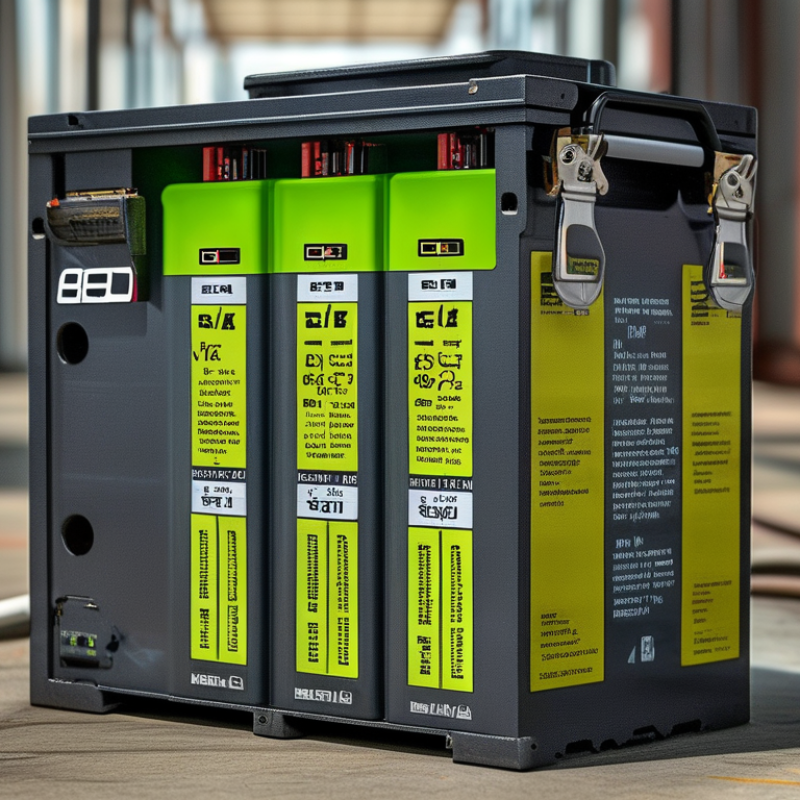
Understanding the Basics of 48 V 160 Amp Lithium Batteries
When considering a 48 V 160 Amp lithium battery, it's crucial to understand its specifications. These batteries typically provide around 7.68 kWh of energy storage.
This substantial capacity is ideal for applications like solar energy systems or electric vehicles. The ability to deliver a high current ensures they can handle heavy loads efficiently.
Safety is another vital aspect to consider. While lithium batteries are known for their energy density, they also require proper management systems. Overcharging or overheating can lead to failures.
Reports indicate that the global lithium battery market will grow at a CAGR of over 20% from 2021 to 2027. This growth reflects the increasing reliance on safe and efficient energy storage solutions.
Beyond mere capacity and safety, consider battery lifespan. Many 48 V lithium batteries offer lifecycles exceeding 2000 cycles at 80% depth of discharge.
However, users should expect variability. Real-world performance can differ from manufacturer specifications due to factors like temperature and usage patterns.
Evaluating these factors helps avoid potential pitfalls when selecting a battery for your needs.
Key Specifications to Consider When Selecting Lithium Batteries
When selecting 48 V 160 Amp lithium batteries, several key specifications come into play. Begin with the battery's capacity. Ensure it matches your energy needs. Consider the depth of discharge (DoD). A higher DoD rate allows for more usable energy. Battery lifespan is crucial too. Look for cycles, which denote how long the battery lasts under normal use.
Another essential aspect is charging time. A faster charge can significantly enhance efficiency. Evaluate the battery's weight and dimensions. This matters for installation and portability. Monitor the Power Output rating. Ensure the battery can deliver the needed performance.
Don’t overlook safety features as well. Check if the battery has built-in management systems. They can protect against overheating and overcharging. It is also wise to reflect on warranty options. Longer warranties often indicate a reliable product. Be ready to ask questions. Understanding these details will help in making an informed choice, avoiding potential issues later.
Comparing Different Brands and Models of 48 V 160 Amp Batteries
When selecting a 48 V 160 Amp lithium battery, comparing brands and models is crucial. Different manufacturers claim various performance metrics. However, real-world tests and user reviews often tell a different story. It’s essential to evaluate the overall reliability of each battery. Check the cycle life, charge times, and discharge rates. Users often encounter discrepancies in advertised versus actual performance.
In addition to specifications, consider the warranty and customer support. Some brands stand behind their products better than others. Investigating feedback on durability can offer insights. A battery might perform well initially but fail quickly. Look for genuine user experiences to guide your choice. Manufacturers' claims can be misleading; real-life usage can highlight those issues.
Lastly, ensure you factor in weight and size. Sometimes, a higher capacity comes with added bulk. This can affect your installation and mobility. Aim for a model that meets your power needs without compromising on space and weight. Your choice should balance performance and practicality. The decision may require trade-offs to find the best fit for your specific application.
Evaluating Battery Cycle Life and Performance Metrics
When choosing 48 V 160 Amp lithium batteries, understanding cycle life and performance metrics is essential. Cycle life refers to the number of charge and discharge cycles a battery can undergo before its capacity significantly degrades. According to the Battery University, most lithium batteries can endure between 500 to 2,000 cycles, depending on their chemistry and usage conditions. Poor temperature management and incomplete discharges can shorten this lifespan.
Performance metrics also play a key role. Look for discharge rates, energy density, and charge speeds. High discharge rates indicate a battery's ability to deliver power quickly, while energy density reflects how much energy is stored per unit weight. A recent study by the National Renewable Energy Laboratory found that advanced lithium batteries reached up to 250 Wh/kg in energy density, crucial for applications requiring lightweight solutions.
**Tips:** Always evaluate the manufacturer’s data sheets. They provide insight into expected performance. Also, consider testing the battery under varied loads to see how it holds up. Remember, data from labs might not always match real-world usage. Consumer reviews can reveal potential weaknesses.
Factors Influencing Cost and Return on Investment for Lithium Batteries
When considering the cost and return on investment for 48 V 160 Amp lithium batteries, several key factors come into play. One primary element is the initial purchase price. Higher quality batteries often demand a higher upfront cost. However, cheaper alternatives may not be reliable. It is essential to balance cost with performance to ensure longevity.
Another factor is efficiency. Lithium batteries are known for their energy density and cycle life. This means fewer replacements are needed over time. Therefore, even if the initial investment is high, the total cost may lower in the long run. It's worth reflecting on how often energy storage solutions are needed. A battery that lasts longer can actually save money.
Consideration of usage is crucial. Not all applications require the same specifications. Understanding individual needs can prevent overspending. Seek expert advice if unsure. A well-informed choice leads to better returns. Balancing your requirements with market options could drive sustainable savings.
How to Choose 48 V 160 Amp Lithium Batteries for Your Needs?
| Factor |
Description |
Impact on Cost |
Return on Investment (ROI) |
| Battery Capacity |
Total energy storage measured in amp-hours. |
Higher capacity typically raises cost. |
Higher capacity can provide longer usage times, improving ROI. |
| Cycle Life |
Number of charge/discharge cycles before performance declines. |
Batteries with longer cycle life usually cost more upfront. |
Longer cycle life enhances ROI by reducing replacement frequency. |
| Temperature Tolerance |
Ability to operate efficiently in varying temperatures. |
Batteries with a wider operational range tend to be pricier. |
Improved tolerance can maintain performance and extend life, enhancing ROI. |
| Weight |
Total mass of the battery, affecting portability. |
Lighter batteries may be more expensive due to advanced materials. |
Portability can save costs in transport and deployment, improving ROI. |
| Warranty |
Duration and terms of coverage against defects. |
Longer warranties may increase initial costs. |
A strong warranty protects investment, boosting ROI over time. |