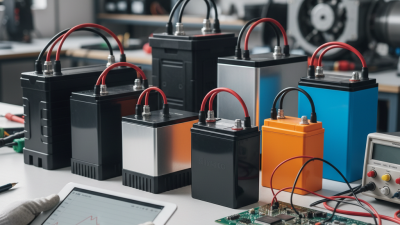
Top Solar Battery Manufacturers for Global Buyers
Choosing a Solar Battery for global projects is not a simple brand comparison. It is a decision about safety, durability, service, and long-term value.
A strong manufacturer should offer tested battery chemistry, transparent performance data, and dependable technical support. Lithium iron phosphate remains popular because it combines thermal stability with a long cycle life. Yet chemistry alone does not guarantee quality. Inverters, battery management systems, cooling design, and factory controls also matter.
Professor Martin Green, a leading solar-energy researcher, has said, “Solar energy is the most abundant energy resource on Earth.” His observation explains the opportunity, but storage determines how much of that opportunity users can actually keep. A 10 kWh battery beside a rural home, for example, must survive heat, dust, voltage changes, and uneven daily demand.
Global buyers also face different shipping rules, grid standards, warranty terms, and installation practices. A manufacturer trusted in Europe may not provide the same support in Africa, Southeast Asia, or Latin America. That gap deserves attention.
No shortlist is perfect. Prices change. Product lines change. Some impressive specifications may hide limited field evidence. Buyers should compare independent testing, usable capacity, warranty exclusions, response times, and replacement procedures.
This guide examines leading Solar Battery manufacturers for international buyers. It considers practical performance, manufacturing credibility, certifications, after-sales service, and regional suitability. The aim is not to declare one universal winner. It is to help buyers ask better questions before placing a costly order.
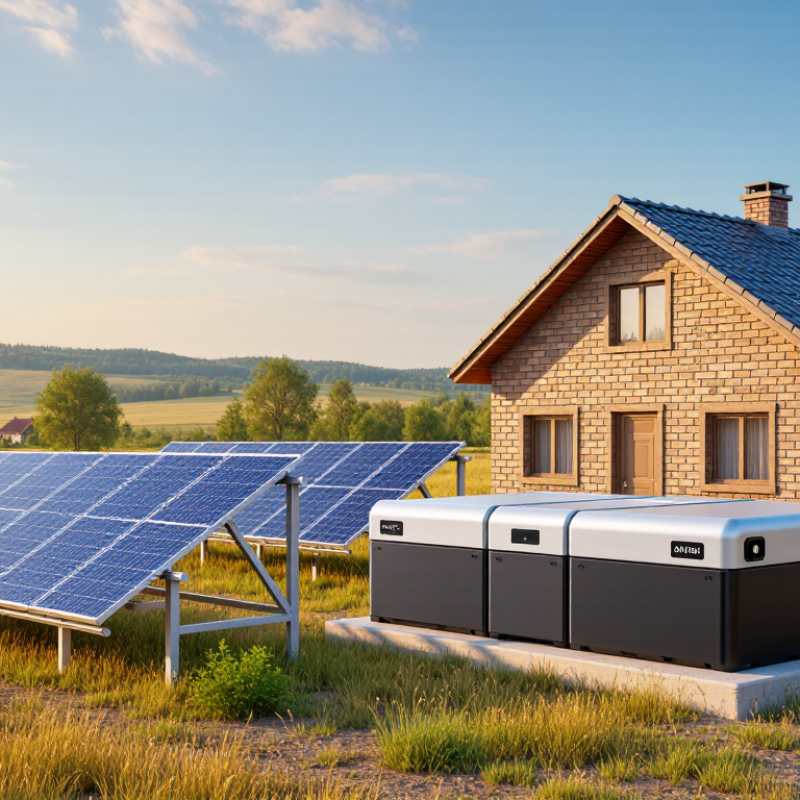
Global Solar Battery Market: 2023 Capacity and 2030 Growth Outlook
Top Solar Battery Manufacturers for Global Buyers
Global Solar Battery Market: 2023 Capacity and 2030 Growth Outlook
In 2023, solar battery manufacturing capacity expanded as storage demand rose alongside new solar installations. Yet “capacity” can mean factory output, announced production, or usable battery shipments. These measures are not interchangeable. Buyers should compare verified annual output with actual delivery records, rather than relying on planned factory size alone.
By 2030, the market is expected to grow, supported by rooftop solar, utility-scale projects, and demand for power during evening peaks. Growth will not be even. Grid connections, financing, raw-material prices, and local supply chains can change project timelines. Forecasts also depend on whether analysts count battery cells, complete systems, or installed storage. That uncertainty matters. A large production target does not guarantee stable supply or consistent quality. Capacity figures deserve a second look.
Tips: Ask suppliers for recent production data, cell-level specifications, warranty terms, and tested system performance. Check whether quoted capacity is current or planned. Compare delivery lead times with your project schedule, and request documentation for independent review. A small mismatch in measurement can distort a big purchasing decision.
Global Battery Energy Storage Installations: 2023 and 2030 Outlook
Annual global energy storage installations are projected to grow substantially, expanding the market for batteries used alongside solar and other energy sources.
Figures are annual global energy storage installations, in gigawatts (GW), not cumulative installed capacity. 2023: approximately 42 GW; 2030 outlook: approximately 137 GW. Source: BloombergNEF, 2024 Global Energy Storage Outlook.
Lithium-Ion, LFP, and Flow Batteries: Efficiency, Safety, and Cycle Life
For global solar buyers, battery chemistry affects usable energy, safety, and replacement schedules. NREL’s 2024 Annual Technology Baseline uses about 85% round-trip efficiency for utility-scale lithium-ion storage. In practical terms, a 10-kWh charge may return roughly 8.5 kWh before site-specific losses. Real results depend on temperature, inverter settings, and operating rate.
LFP is a lithium-ion chemistry often selected for stationary systems because it is generally more thermally stable than nickel-rich alternatives. It still needs sound battery-management and heat-control systems. The U.S. Department of Energy’s 2022 Grid Energy Storage Technology Cost and Performance Assessment reports longer potential cycle life for flow batteries, while noting lower efficiency than lithium-ion in modeled cases. Some vanadium-flow systems can cycle for many thousands of times, but pumps and tanks add complexity. That trade-off matters.
For buyers, compare usable capacity, warranted cycles, depth of discharge, and efficiency under the expected climate—not just headline figures. A dusty site with hot afternoons can expose weaknesses that a laboratory rating misses. Specifications are useful, but they are not the whole story. Independent test conditions are not always comparable, either.
Top Solar Battery Manufacturers by Capacity, Chemistry, and Global Reach
Solar battery manufacturers should be compared by production capacity, chemistry, and regional service—not advertising alone. The International Energy Agency reported that global battery cell manufacturing capacity exceeded 2 TWh in 2023, with more than three-quarters located in China. This concentration supports scale and lower costs, but it can increase supply-chain exposure for buyers elsewhere.
Chemistry changes the buying decision. Lithium iron phosphate cells generally suit solar storage because they offer strong thermal stability, long cycle life, and lower material costs. Nickel-rich chemistries can provide higher energy density, yet they may demand stricter thermal management. The IEA’s Batteries and Secure Energy Transitions report identifies lithium-ion technology as the dominant choice for modern storage, while sodium-ion development remains promising but commercially less mature. That gap matters.
Global reach needs practical evidence. Wood Mackenzie’s Energy Storage Service tracks rapid growth in utility-scale storage deployments, especially across North America, Europe, and Asia-Pacific. Buyers should check certified safety testing, local warranty support, spare-part access, and documented degradation data. BloombergNEF’s 2024 battery price survey reported average lithium-ion pack prices of 115 dollars per kWh, but project pricing varies sharply with software, shipping, installation, and financing. Large capacity can impress. It does not guarantee reliable after-sales service. Industry rankings also age quickly, so procurement teams should verify current factories, chemistry mix, and delivery records before signing.
Evaluating Battery Warranty, Round-Trip Efficiency, and Depth of Discharge
Top Solar Battery Manufacturers for Global Buyers
Warranty, round-trip efficiency, and depth of discharge reveal more than a battery’s headline capacity. Compare warranty years with its energy-throughput limit and guaranteed end-of-term capacity. Check the operating temperature, annual cycling allowance, and required reserve. Small print matters. A 10 kWh battery rated for 90% depth of discharge offers about 9 kWh of usable energy before reserve settings. Confirm that the stated capacity reflects usable, not merely nominal, energy.
Round-trip efficiency measures how much stored electricity returns after charging and discharging. NREL’s 2024 Annual Technology Baseline uses about 85% as a utility-scale battery benchmark; actual results vary with system design and conditions. At that benchmark, 1 kWh put in returns roughly 0.85 kWh. Ask whether quoted efficiency is measured at the cell, battery, or whole-system level. Those figures are not interchangeable. The U.S. Department of Energy’s 2022 Cost and Performance Assessment also reports performance at the system level, making it useful context for buyer comparisons. A clean spreadsheet can still mislead. Heat, reserve settings, and charging patterns affect real-world output, so request test conditions and warranty assumptions before comparing offers.
Global Buyer Guide: Certifications, Costs, Supply Chains, and After-Sales Service
Choosing a solar battery manufacturer requires more than comparing advertised capacity. Global buyers should verify safety certifications, factory test reports, and compliance with destination-market regulations. Ask whether testing covers thermal runaway, transport safety, grid connection, and installation conditions. Documents should match the exact battery model, not a similar product.
Total cost includes cells, inverters, packaging, freight, customs duties, installation, monitoring, and future replacement parts. A low quotation can age badly. Compare usable capacity, cycle-life testing, warranty exclusions, and expected degradation. Supply-chain visibility also matters. Request information about cell origin, production batches, quality inspections, and backup suppliers. One missing document may delay a container for weeks. I have seen buyers focus on price and underestimate inland delivery and commissioning costs.
Tips: Get three itemized quotations. Check certification dates. Confirm spare-part locations. Ask for response times in writing. Test remote monitoring before final payment. After-sales support should include installation guidance, firmware management, fault diagnosis, and trained local technicians. Clarify who pays for travel, replacement shipping, and labor during warranty claims. A strong supplier will explain limitations honestly, although some claims still require independent verification. Keep signed test records, delivery photos, and commissioning data for future disputes and maintenance decisions.